

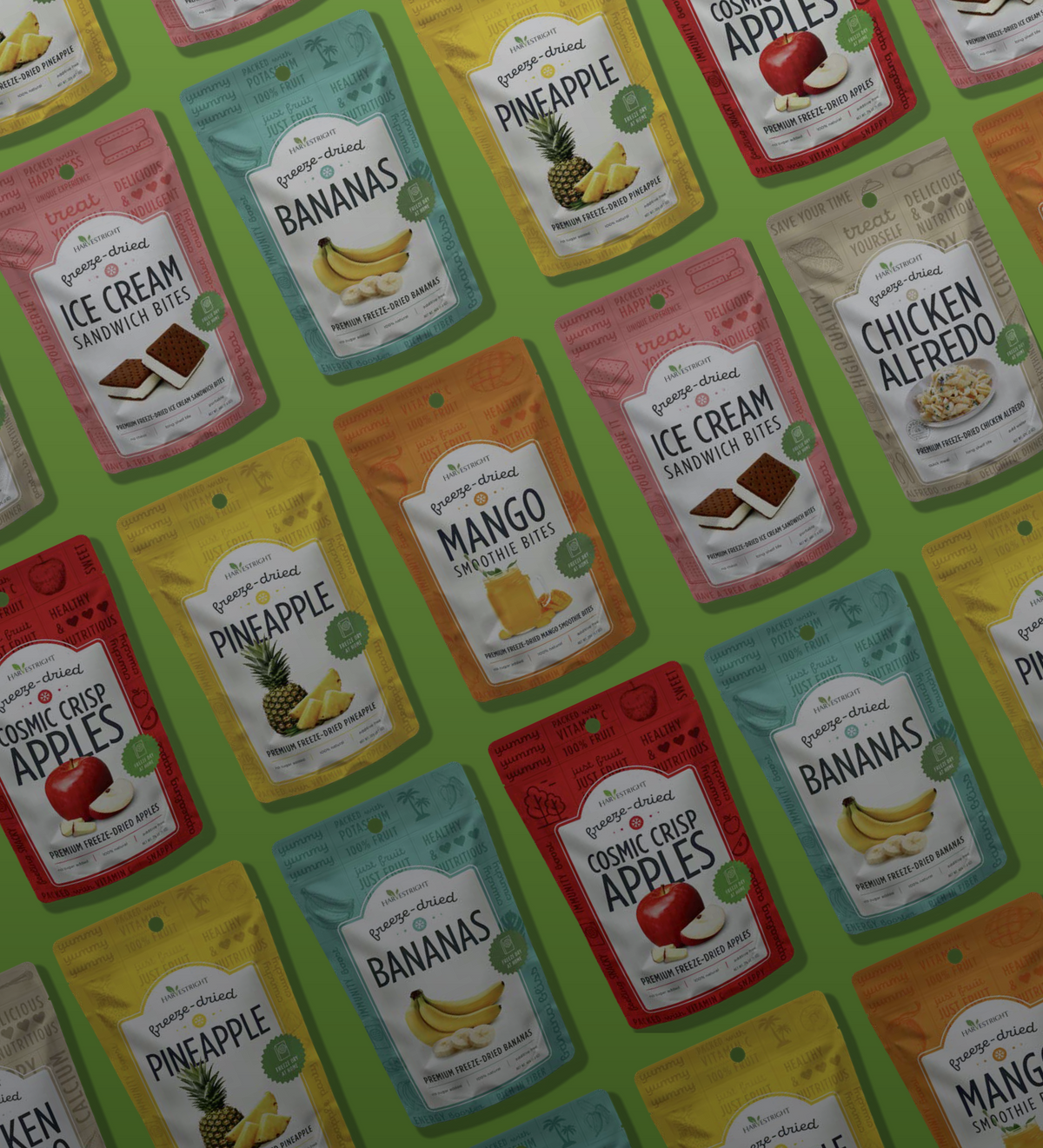
Plenty of freeze dryer owners eventually wonder the same thing: could this pay for itself, or even become a real side business? For a growing number of people, the answer has been yes.
A Real Niche Market Has Formed
Beyond stocking a personal pantry, a genuine cottage industry has grown up around freeze-dried products — candy, hiking and camping meals, specialty snacks for people with food-texture sensitivities (the distinct crunch of freeze-dried food appeals to a lot of people who struggle with certain textures), and pet food and treats. Marketplaces like Etsy have no shortage of small sellers offering freeze-dried goods, and dedicated social media communities have formed around freeze-dried food businesses specifically.
Check Your State's Cottage Food Laws First
Before selling anything made at home — freeze-dried or otherwise — it's essential to check your own state's current cottage food laws. These laws vary significantly from state to state, covering what can be sold, where it can be sold, and whether it needs to go through a licensed commercial kitchen. Some states are quite restrictive, some are considerably more permissive, and the rules change over time as legislatures revisit them — freeze-dried food in particular is different enough from traditional canned or dehydrated cottage goods (no moisture, an unusually long shelf life) that some states' existing rules may not have caught up to it yet. Checking your state's current regulations, or consulting a professional, is the right first step before selling anything you've freeze-dried at home.
Why the Rules Are Still Catching Up
Home freeze drying has grown enough as a category that it's reasonable to expect cottage food laws to keep evolving around it, the same way rules eventually adapted to home canning and dehydrating as those became more common decades ago. If your state's cottage food law doesn't clearly address freeze-dried products, that's worth raising with your state's regulatory office directly — clarity benefits everyone selling in this space.
More on Freeze-Drying as a Business
From hiking trip to business: the Pinnacle Foods story is a real example of a freeze-dried food business that grew out of a personal need, and covers more of what it takes to scale up from personal use to production.
Frequently Asked Questions
Can you legally sell freeze-dried food made at home?
It depends entirely on your state's cottage food laws, which vary widely and change over time — check your state's current regulations before selling anything, since some states restrict or prohibit home-based food sales while others allow it with specific conditions.
What kinds of freeze-dried products do people sell as a small business?
Common categories include freeze-dried candy, camping and hiking meals, specialty snacks for people with food-texture preferences, and pet food and treats, often sold through marketplaces like Etsy.
Why might a state's cottage food law not address freeze-dried food clearly?
Freeze-dried food differs from traditional home-canned or dehydrated goods in shelf life and moisture content, and cottage food laws in some states haven't been updated to specifically address it yet.
What should I do before starting a freeze-dried food business?
Check your state's current cottage food laws (or consult a professional about them) before selling anything, since rules on what can be sold, where, and how vary by state and change over time.
Share:
How to Make Sprouted Flour at Home
How Many Calories Does Backpacking Really Burn?