

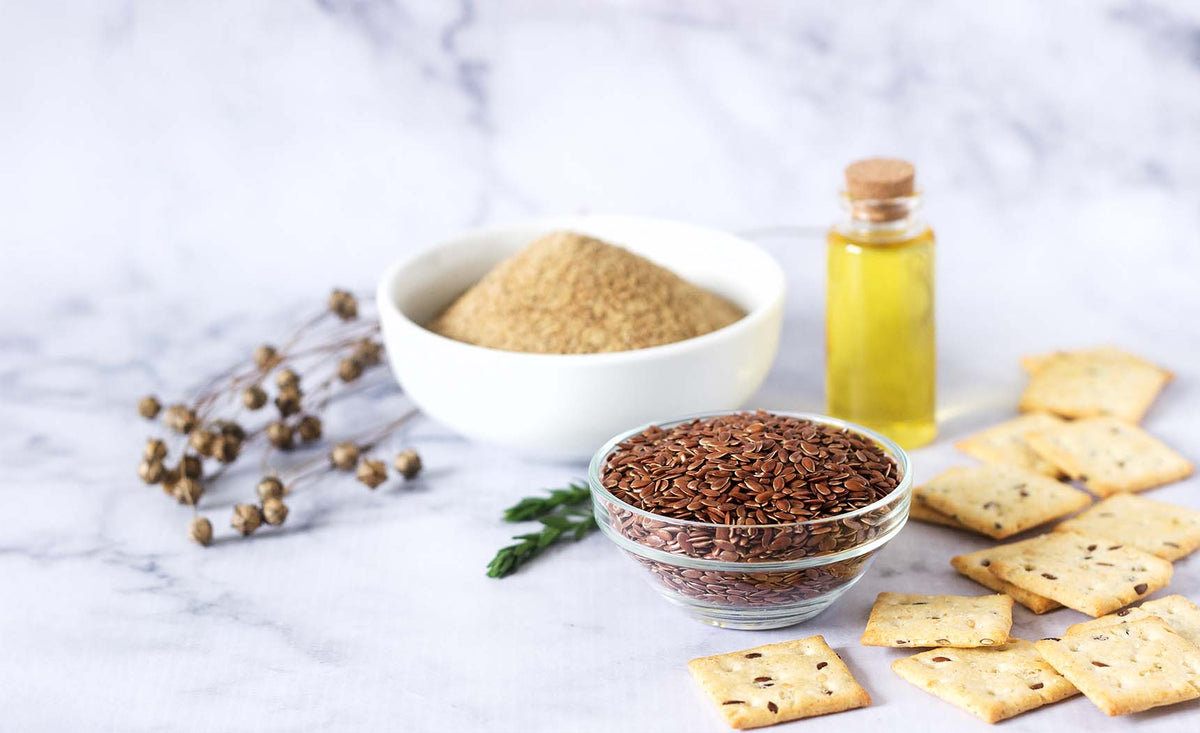
One of the advantages of a Harvest Right freeze dryer is how well it preserves nutrition compared to other preservation methods — and one of the more rewarding ways to put that to use is making your own sprouted flour.
By Donna Hoaks — after retiring, my husband and I sold most of our possessions and relocated to Texas to co-homestead an 11-acre farm with friends.
Who Uses a Freeze Dryer, and Why
Hikers and campers love how easy freeze-dried food is on the trail. Families managing food allergies or sensitivities appreciate being able to preserve exactly what works for them — some parents have found that the crunchy, crisp texture of freeze-dried food is better tolerated by texture-sensitive kids than other food forms. Gardeners and ranchers like that their preserved food stays usable long-term, so less gets lost to spoilage or poor rotation. Freeze-dried food can last up to 25 years when stored properly.
Freeze-Drying and Fermented Foods
Fermenters are another group who get real value from a freeze dryer. Fermented foods are living foods, and freeze-drying preserves many of the qualities fermenters care about: sourdough starter can be revived after rehydration, freeze-dried krauts and other fermented vegetables retain much of their bacterial content, and milk kefir can be freeze-dried and later used to start a new batch.
Sprouted Flour: What to Know First
Sprouting changes the structure of grain, and many people with non-celiac gluten sensitivity find sprouted grains easier to digest than unsprouted flour. This is different from being gluten-free — sprouting does not remove gluten, and sprouted wheat flour is not safe for anyone with celiac disease or a diagnosed gluten allergy. If you're sprouting grain for dietary reasons, make sure you understand which category actually applies to you.
With that said, sprouted flour is genuinely good to bake with, and freeze-drying makes it far easier to produce at home than the traditional route of dehydrating and grinding in a grain mill.
How to Sprout Your Own Grain
Using wheat as the example grain:
- Soak the grain in water (enough to fully cover it) for about 24 hours. A jar with a piece of cotton cloth secured over the mouth with a rubber band works well for this.
- After soaking, invert the jar over a sink to drain, then tip it on its side rather than leaving it upright — this helps any leftover water spread out and drain fully instead of pooling at the bottom.
- Twice a day, add water to the jar, swish gently to wet all the grains, then drain and return the jar to its side.
- After a few days, you'll see small tails start to appear on the grains. Keep rinsing and draining twice daily until all the grains have sprouted tails.
- Once fully sprouted, let the grains drain well and dry out slightly before freeze-drying.
Freeze-Drying and Grinding
Spread the sprouted grains on your Harvest Right trays, following the weight recommendations for your specific dryer size, and run a standard cycle. Unlike dehydrated grain — which needs a grain mill to process — freeze-dried sprouted grain is soft enough to crumble by hand, and grinds easily in a food processor or mill. Store the finished flour in the refrigerator or freezer.
A Recipe Worth Trying: Sprouted Flour Pecan Sandies
This pecan sandies recipe from Martha Stewart is one of the best ways to put sprouted flour to use — substitute all the flour in the recipe for your own sprouted flour, and if you have time, toast the pecans first for a few minutes in a 375°F oven before grinding them in.
More on Freeze-Drying Beyond the Basics
Can you sell freeze-dried food from home? is worth a look if sprouted flour baking is something you'd consider turning into more than a hobby.
Frequently Asked Questions
Is sprouted flour gluten-free?
No. Sprouting changes the grain's structure and may make it easier to digest for some people with non-celiac gluten sensitivity, but it does not remove gluten, and sprouted wheat flour is not safe for anyone with celiac disease.
Why freeze-dry sprouted grain instead of dehydrating it?
Freeze-dried sprouted grain is soft enough to crumble by hand and grinds easily in a food processor, while dehydrated grain typically requires a dedicated grain mill to process.
How long does it take to sprout grain at home?
Usually a few days — after an initial 24-hour soak, rinsing and draining the grain twice a day until visible tails appear on all the grains.
How should sprouted flour be stored once it's made?
Keep it in the refrigerator or freezer to preserve its quality, the same way you'd store other freshly milled flour.
Share:
A Real Account: Winter Storm Uri and Food Prep
Can You Sell Freeze-Dried Food From Home?