

Blog
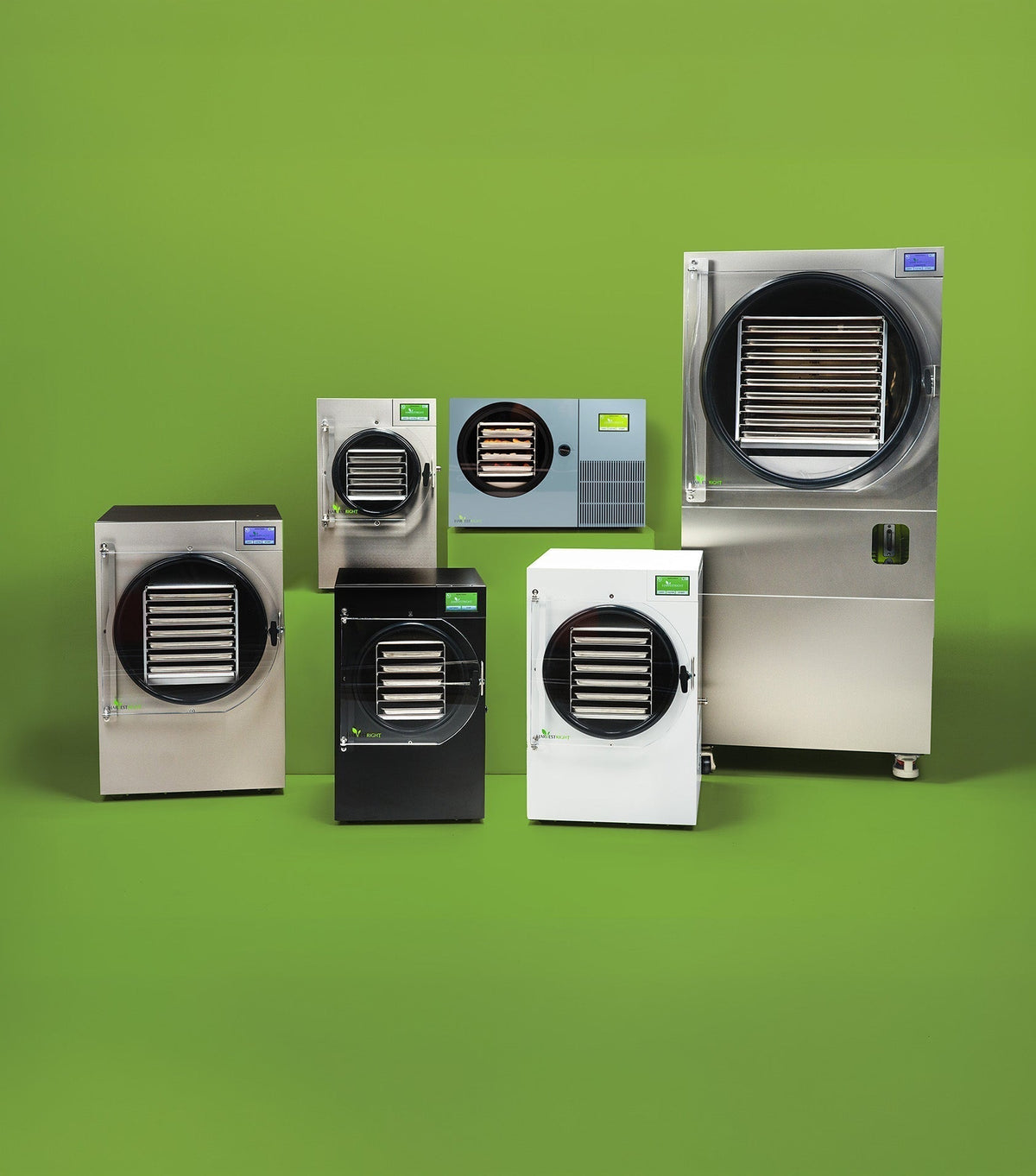
What Size Freeze Dryer Do I Need?
A Guide to Choosing the Right Home Freeze Dryer The best freeze dryer size isn't necessarily the largest one you can afford. It's the model that matches how much food you expect to preserve, how often you plan to run...
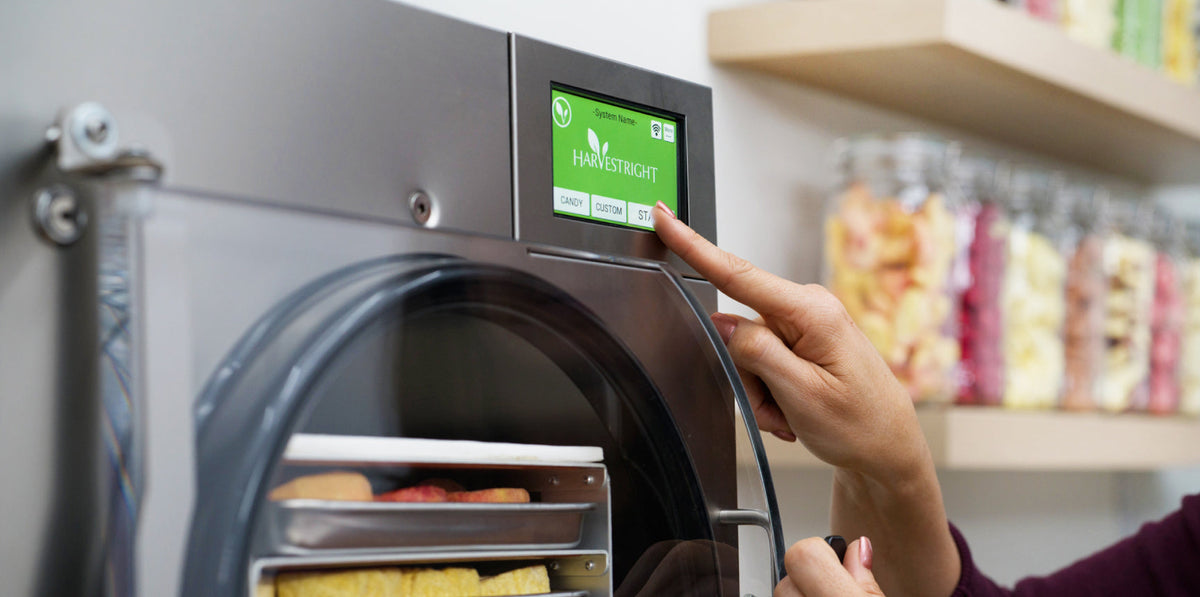
Freeze Dryer Touchscreen Not Working?
Here’s What to Do If your Harvest Right freeze dryer touchscreen isn’t responding, responds when you touch the wrong location, or won’t let you navigate through the menus, there are a few troubleshooting steps you can try. The most important...
Why Didn't My Food Freeze Properly?
Common Causes and How to Improve Future Batches Freeze drying begins with freezing, so it's natural to wonder whether your food froze the way it should. If a batch doesn't seem to freeze evenly or the results aren't what you...
Why Is Ice Building Up Inside My Freeze Dryer?
Understanding Ice Buildup During Freeze Drying Seeing ice build up inside your freeze dryer can surprise new owners, but ice is a normal part of the freeze drying process. As moisture is removed from frozen food, it travels as water...
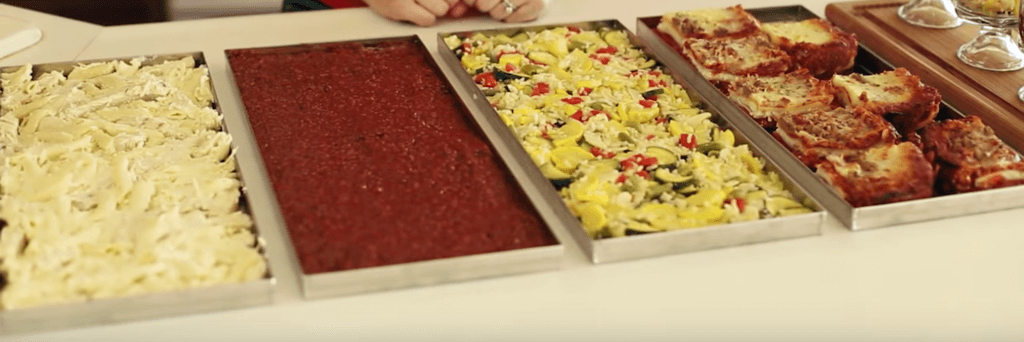
Why Is My Freeze-Dried Food Still Soft?
If your freeze-dried food feels softer than expected, you may wonder whether the batch is finished. While texture varies from one food to another, confirming that food is completely dry before packaging is one of the most important steps in...
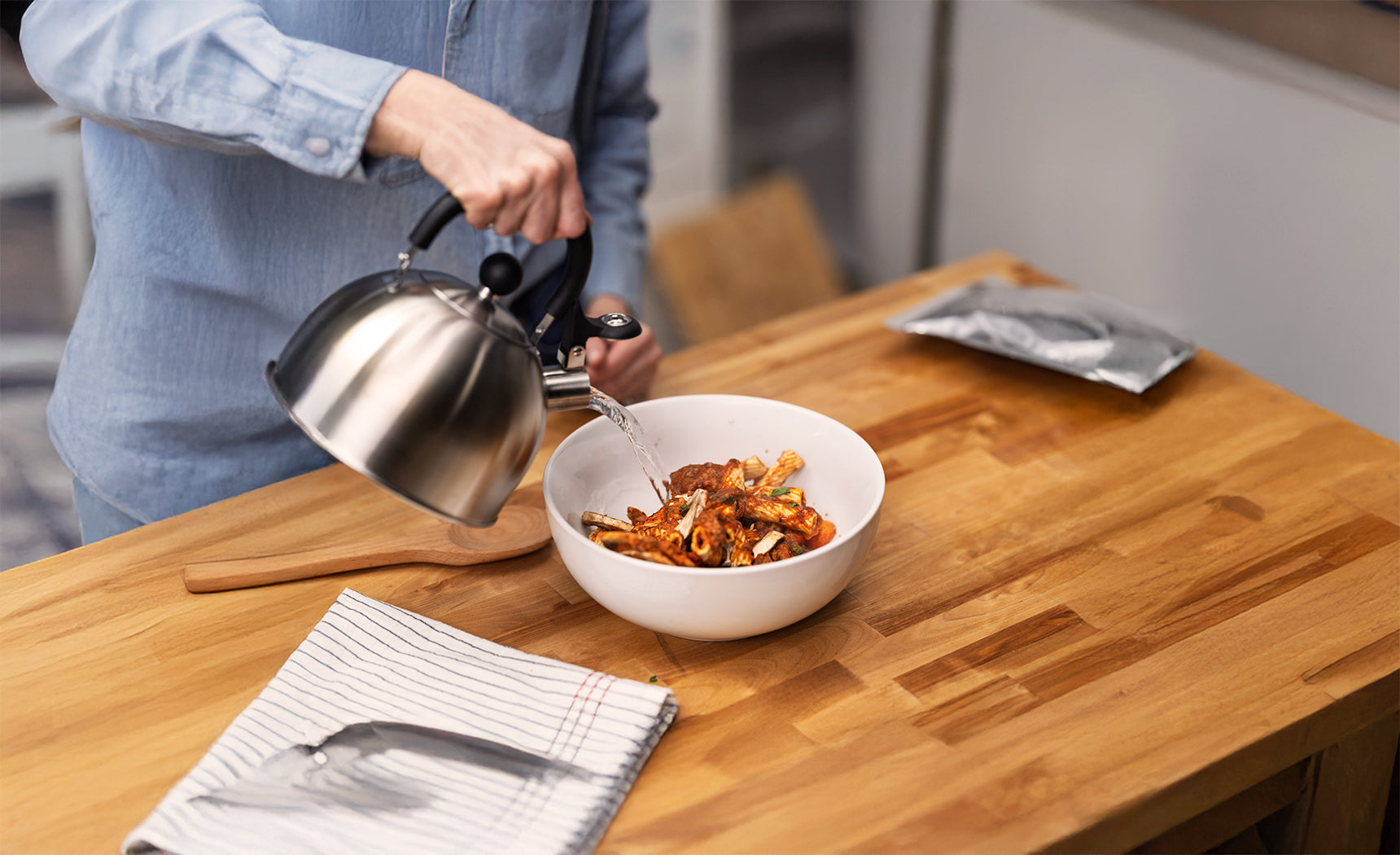
How to Rehydrate Freeze-Dried Food for the Best Results
One of the most rewarding parts of freeze drying is enjoying preserved food later. Whether you're preparing a family dinner, packing meals for camping, or using freeze-dried ingredients in everyday recipes, proper rehydration helps you get the best possible results....

Foods That Require Additional Consideration Before Freeze Drying
Can I freeze dry everything? One of the most common questions people ask when they begin freeze drying is, "Can I freeze dry everything?" The answer is more nuanced than a simple yes or no. Many foods freeze dry exceptionally...

Why Does Freeze Drying Preserve Food?
Food naturally begins to change from the moment it is harvested or prepared. Moisture, oxygen, microorganisms, enzymes, and time all play a role in the gradual loss of freshness. Freeze drying helps slow many of these natural changes by removing...
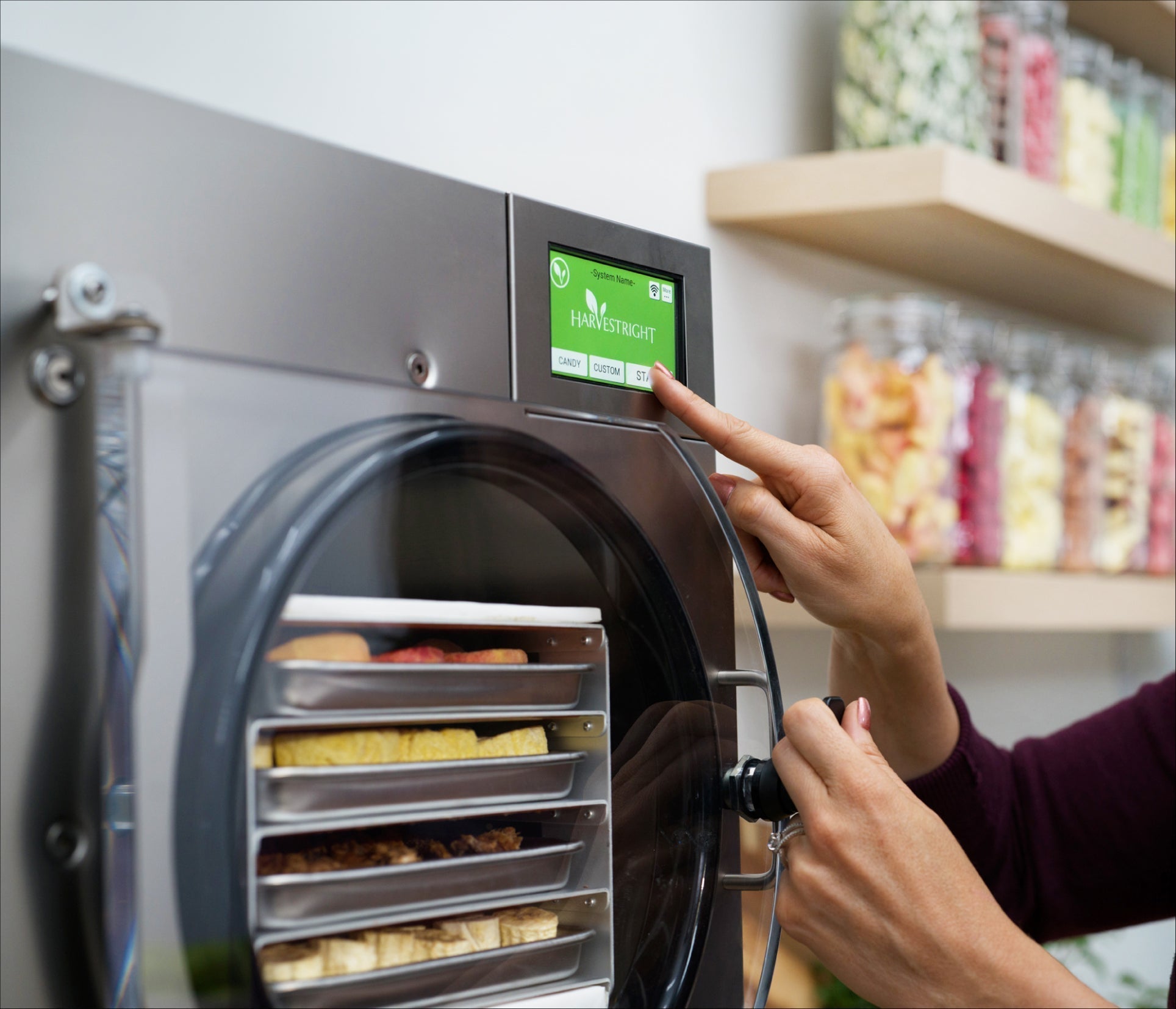
Freeze drying is one of the most effective methods of preserving food for future use. By removing moisture from frozen food through a process called sublimation, freeze drying helps preserve many foods while maintaining much of their original structure, flavor,...