

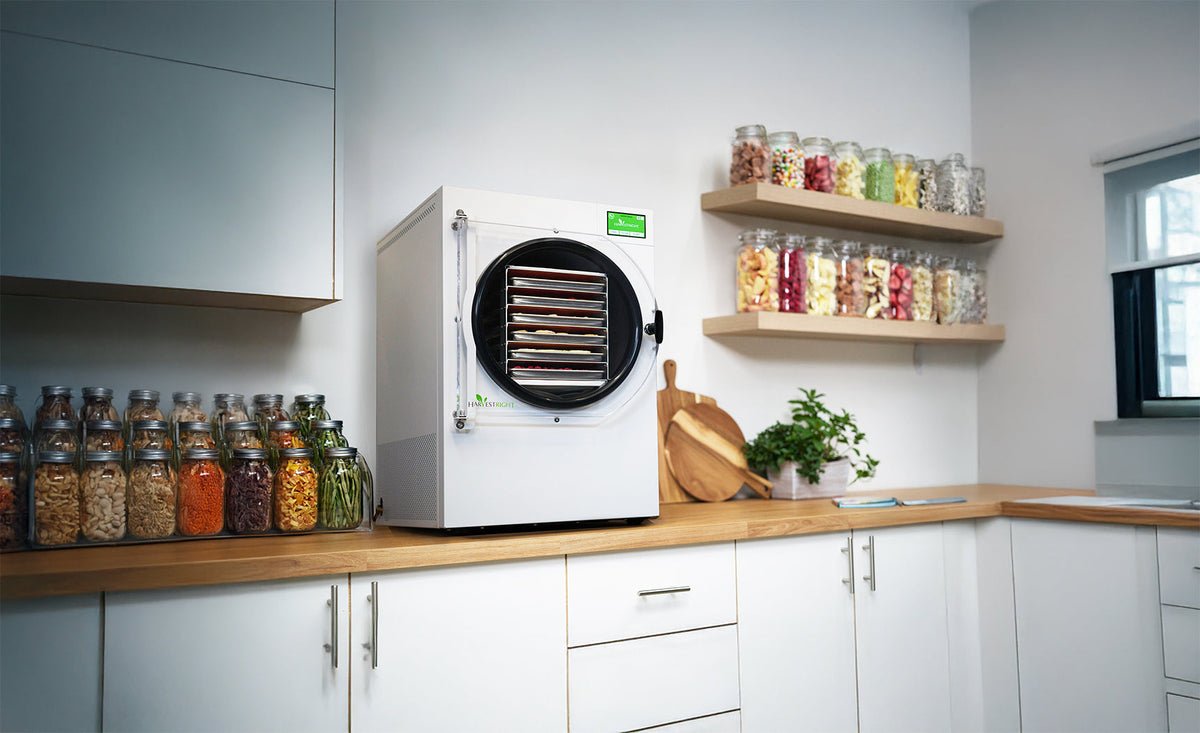
A garden planned around freeze-drying looks a little different from a garden planned around fresh eating alone. The goal isn't just "grow vegetables" — it's grow enough of the right things, at the right pace, that you actually have a steady supply to preserve instead of a single overwhelming harvest week.
Plant for Volume, Not Just Variety
High-yield crops make the most of a freeze dryer's capacity: tomatoes, zucchini, green beans, peas, corn, and berries all produce heavily from a small footprint, and all hold up well through freeze-drying and rehydration. It's worth planting more of a handful of reliable performers rather than spreading your space thin across a large variety of low-yield plants.
Stagger Your Planting
Succession planting — putting in a new round of fast-growing crops like beans, lettuce, and greens every couple of weeks through the growing season — keeps a steady stream of produce coming instead of one giant harvest all at once. That steadier pace is easier to keep up with in a freeze dryer than trying to process an entire garden's worth of tomatoes in a single weekend.

Know Your Zone
What grows well, and when to plant it, depends heavily on your specific USDA hardiness zone rather than your state as a whole — a state can span several zones. Check your zone specifically before planning your season.
Save Seeds for Next Year
Saving seeds from open-pollinated or heirloom varieties at the end of the season is a low-cost way to keep your best-performing plants going year after year, and it pairs naturally with a freeze-dry garden mindset of planning ahead rather than starting from scratch each spring.
Building Your Freeze-Dry Garden
Go ahead and plant a big garden covers the case for planting more than you think you need, and 3 must-have vegetables for your freeze-dry garden narrows in on specific high-value crops. Fruit trees to grow in your climate zone can help you plan longer-term plantings, and saving heirloom seeds rounds out the plan for next season.
Frequently Asked Questions
What should you plant in a garden meant for freeze-drying?
High-yield, reliable crops like tomatoes, zucchini, green beans, peas, corn, and berries make the best use of freeze dryer capacity, since they produce heavily from a relatively small footprint.
What is succession planting, and why does it matter for freeze-drying?
Succession planting means putting in new rounds of fast-growing crops every couple of weeks instead of planting everything at once. It spreads your harvest out over the season, which is easier to keep up with in a freeze dryer than one massive harvest all at once.
Does my whole state share the same growing zone?
No — most states span multiple USDA hardiness zones, so it's worth checking your specific zone rather than assuming a state-wide answer.
Is it worth saving seeds from my garden?
Yes, if you're growing open-pollinated or heirloom varieties — saving seeds from your best plants is a low-cost way to keep a good garden going year after year.
Share:
How an In-Home Freeze Dryer Saves Food and Money
How to Plant a Kitchen Herb Garden