

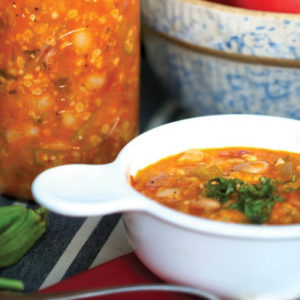
How to Freeze Dry Soup at Home
A big pot of homemade soup is great for dinner—but what happens when there's more left than your family can eat?
Freeze drying gives you a way to preserve extra soup and turn it into a lightweight, ready-to-rehydrate meal you can enjoy later. It's useful for saving leftovers, preparing meals ahead of time, stocking your pantry, or making convenient meals for camping and travel.
And because you're preserving soup you've already made, it's also a practical way to get more value from the food you buy.
Here's how to freeze dry soup at home.
Can You Freeze Dry Soup?
Yes. Many homemade soups can be freeze dried successfully, including soups made with vegetables, beans, grains, pasta, rice, and properly cooked meats.
The process removes moisture from the frozen soup under vacuum, leaving behind a dry, lightweight meal that can later be rehydrated with water.
However, not every soup is equally well suited to freeze drying.
Soups that are extremely high in fat can be more challenging because fat itself does not freeze dry. For best results, choose recipes with a reasonable balance of broth, vegetables, grains, beans, pasta, and lean cooked meats rather than soups dominated by oils or other high-fat ingredients.

What Types of Soup Can You Freeze Dry?
One of the advantages of freeze drying soup is the variety.
Depending on the ingredients and recipe, good candidates can include:
-
Vegetable soup
-
Chicken and vegetable soup
-
Chicken noodle soup
-
Bean soup
-
Lentil soup
-
Minestrone
-
Tomato-based soups
-
Beef and vegetable soup
-
Potato soup
-
Split pea soup
-
Chili
-
Stews and other broth-based meals
Recipes containing meat, poultry, seafood, or other ingredients that normally require cooking should be properly cooked before freeze drying.
You can freeze dry soup specifically prepared for storage, or simply preserve leftovers from a meal you've already made.
Freeze Drying Leftover Soup
This may be one of the most useful reasons to freeze dry soup.
You've probably had this happen: you make a large pot of soup, everyone enjoys it for dinner, you eat leftovers the next day—and there's still soup left.
Instead of letting it sit in the refrigerator until it gets thrown away, you can freeze dry the extra portions while they're still safe and fresh.
That can help you:
-
Reduce food waste
-
Get more meals from groceries you've already purchased
-
Save favorite homemade recipes for later
-
Build a supply of quick meals
-
Take advantage of bulk purchases or grocery-store sales
You can even intentionally make a larger batch of soup and freeze dry the extra portions.
Dinner tonight can become an easy meal for another day.
How to Prepare Soup for Freeze Drying
Start with soup that has been prepared and handled safely.
If the soup contains meat or other ingredients that require cooking, cook them properly before freeze drying.
1. Let the Soup Cool Safely
If you're working with freshly prepared soup, follow appropriate food-handling practices and avoid leaving cooked food at room temperature for extended periods.
2. Keep Ingredients a Manageable Size
Smaller, relatively uniform pieces generally freeze dry more evenly than very large pieces.
Cut large pieces of meat and vegetables into bite-sized portions when preparing the soup.
This also makes the finished meal easier to portion and rehydrate.
3. Consider the Fat Content
Fat does not freeze dry the same way water-containing ingredients do.
A small amount of fat in a complete meal is different from trying to freeze dry a food that's primarily fat, but excessively fatty soups may not be the best candidates for long-term storage.
If there's a thick layer of excess fat on top of a soup, consider removing it before freeze drying.

How to Load Soup on Freeze Dryer Trays
Place the prepared soup onto your freeze dryer trays, distributing the solids and broth as evenly as practical.
Don't overfill the trays.
You want the soup shallow enough to freeze and dry effectively rather than creating an unnecessarily thick layer.
Try to distribute meat, vegetables, pasta, rice, beans, and other ingredients throughout the tray rather than having one area contain mostly broth and another mostly solids.
This helps create more consistent portions when the finished soup is packaged.
Should You Pre-Freeze Soup?
You can pre-freeze soup before placing it in your Harvest Right freeze dryer.
Pre-freezing can be especially convenient for liquids and complete meals because the food is already solid when you move the trays into the machine.
It also allows you to prepare meals when it's convenient and freeze dry them when you're ready to run a batch.
If you regularly freeze dry leftovers, you can prepare trays as extra food becomes available, freeze them, and then run a batch when you have enough food ready.
How to Freeze Dry Soup
Once the soup is prepared and loaded, operate your Harvest Right freeze dryer according to the instructions for your machine.
The freeze dryer first freezes the food and then creates a vacuum that allows frozen water in the soup to leave as vapor through a process called sublimation.
There's no single drying time that applies to every soup.
Cycle time can vary depending on:
-
The type of soup
-
Amount of liquid
-
Thickness of the food on the trays
-
Size of the ingredients
-
Sugar and fat content
-
Whether the soup was pre-frozen
-
Freeze dryer model
-
Operating conditions
Rather than relying only on a specific number of hours, make sure the soup is completely dry before packaging it.
How Do You Know When Freeze-Dried Soup Is Done?
This is an important step, especially with complete meals containing ingredients of different sizes and moisture levels.
Check several areas of the batch, particularly the largest or thickest pieces.
Break apart larger pieces and inspect their centers.
There should be no wet, icy, cold, or noticeably moist areas remaining.
Remember that a tray of soup may contain ingredients that dry at different rates. A small piece of pasta may be completely dry while a larger piece of meat or vegetable still contains moisture.
If you're uncertain, add additional dry time and check again.
Don't package soup for storage until you're confident the entire batch is completely dry.
How to Package Freeze-Dried Soup
Once the soup is completely dry, package it promptly.
Freeze-dried food readily absorbs moisture from the surrounding air, so leaving it exposed can begin reversing some of the work you've just done.
For food you'll use relatively soon, an appropriate airtight container can protect it from humidity and moisture.
For longer-term storage, use packaging designed for freeze-dried foods, such as properly sealed Mylar bags with appropriate oxygen absorbers.
Store packaged food in a cool, dry location away from excess heat, moisture, and light.
Labeling the package with the name of the soup and the date it was freeze dried makes pantry organization easier.
How to Rehydrate Freeze-Dried Soup
One of the best things about freeze-dried soup is how easy it can be to turn it back into a meal.
Place the amount of freeze-dried soup you want to prepare into a bowl or pot and gradually add hot water.
Allow the soup time to absorb the water, stir, and add more as needed until it reaches the consistency you prefer.
The amount of water required will depend on the original recipe and how much liquid was removed during freeze drying.
For the most repeatable results, you can measure or weigh your soup before and after freeze drying. The difference provides a useful estimate of how much water was removed.
Then record the amount on the package:
Add approximately ___ cups of water to rehydrate.
That can turn your homemade freeze-dried soup into your own convenient meal kit.

Freeze-Dried Soup for Camping and Backpacking
Removing water makes soup much lighter than its original form.
That's useful when you're carrying your meals rather than storing them in a kitchen.
Instead of packing cans, jars, or containers filled largely with water, you can carry the dry meal and add water when you're ready to eat.
Depending on the recipe and your trip, homemade freeze-dried soups can be useful for:
-
Camping
-
Hunting trips
-
RV travel
-
Road trips
-
Cabins
-
Other outdoor meals
It also gives you control over the recipe and ingredients you're taking with you.
Freeze-Dried Soup for Meal Prep
Freeze drying can also change how you think about meal prep.
Meal prep doesn't have to mean making seven meals you'll eat during the next week.
You can make a larger batch of a soup your family already enjoys, eat some now, and preserve additional portions for much later.
Over time, you can build a selection of homemade meals rather than eating the same leftovers several days in a row.
Imagine opening your pantry and choosing among several soups and meals you've already cooked.
That's convenience created from food you were making anyway.
Can You Freeze Dry Soup With Meat?
Yes, soups containing properly cooked meat can be freeze dried.
Use safe food-handling practices when preparing the meat and soup. Freeze drying should not be considered a substitute for proper cooking because the freeze-drying process itself does not reliably destroy harmful microorganisms.
Lean meats are generally better suited to freeze drying than foods with very high fat content.
Can You Freeze Dry Cream-Based Soup?
Some soups containing dairy can be freeze dried, but very high-fat recipes can be more challenging.
Fat doesn't freeze dry, so a soup containing a modest amount of dairy as one component is different from a recipe made primarily from heavy cream, butter, or other high-fat ingredients.
Consider the overall fat content and how you plan to store the finished food when deciding whether a particular recipe is a good candidate.
For some recipes, another option is to freeze dry the lower-fat soup base and add cream or another ingredient when the soup is rehydrated and prepared.
Can You Freeze Dry Soup With Pasta or Rice?
Yes. Cooked pasta and rice can be included in complete freeze-dried meals.
Keep pieces reasonably sized and distribute ingredients evenly across the tray.
Keep in mind that different ingredients can absorb water at different rates when rehydrated, so you may need to experiment with the amount of water and resting time that works best for a particular recipe.
Frequently Asked Questions
Can you freeze dry leftover soup?
Yes. Freeze drying can be a practical way to preserve properly handled leftover soup before it goes to waste. Start with food that is still safe to eat and follow appropriate food-safety practices throughout preparation, freeze drying, packaging, and rehydration.
How long does soup take to freeze dry?
There isn't one cycle time for every soup. The amount of liquid, tray depth, ingredients, batch size, pre-freezing, machine model, and other conditions can all affect drying time. Always verify that the entire batch is completely dry before packaging.
How much water do you add to freeze-dried soup?
It depends on the recipe. Add hot water gradually until the soup reaches the desired consistency. For more precise results, weigh the soup before and after freeze drying to estimate how much water was removed.
Does freeze drying cook soup?
No. Freeze drying removes water; it should not be treated as a cooking or food-safety kill step. Ingredients that need to be cooked for safe consumption should be properly cooked.
Can you freeze dry homemade chili?
Many properly prepared chilis and similar complete meals can be freeze dried. Recipes that are extremely high in fat can be more challenging, so consider the ingredients and fat content before freeze drying.
Do you need to refrigerate freeze-dried soup?
Properly freeze-dried and appropriately packaged food is designed for shelf-stable storage. The food must be completely dry and protected from moisture. Once rehydrated, handle the soup as you would other prepared food and refrigerate leftovers promptly.
Make Tonight's Dinner Useful Tomorrow
Freeze drying soup isn't only about emergency food storage.
It's a practical way to make more use of food you've already purchased and meals you've already prepared.
Make extra soup when ingredients are on sale. Preserve vegetables from the garden. Save leftovers instead of throwing them away. Build a collection of homemade meals. Pack lightweight food for your next camping trip.
A pot of soup doesn't have to be something your family eats for three nights in a row.
Enjoy it tonight. Freeze dry the extra. Enjoy it again when you actually want it.
Share:
Freeze Dried Pet Snacks
Is It Cheaper to Freeze Dry Eggs at Home or Buy Freeze-Dried Eggs?