

Freeze-drying your own food means you control exactly what's in it — no added preservatives, and no compromise on the nutrition packed into the food to begin with. These five foods are particularly worth the freezer-dryer's attention.
1. Salmon
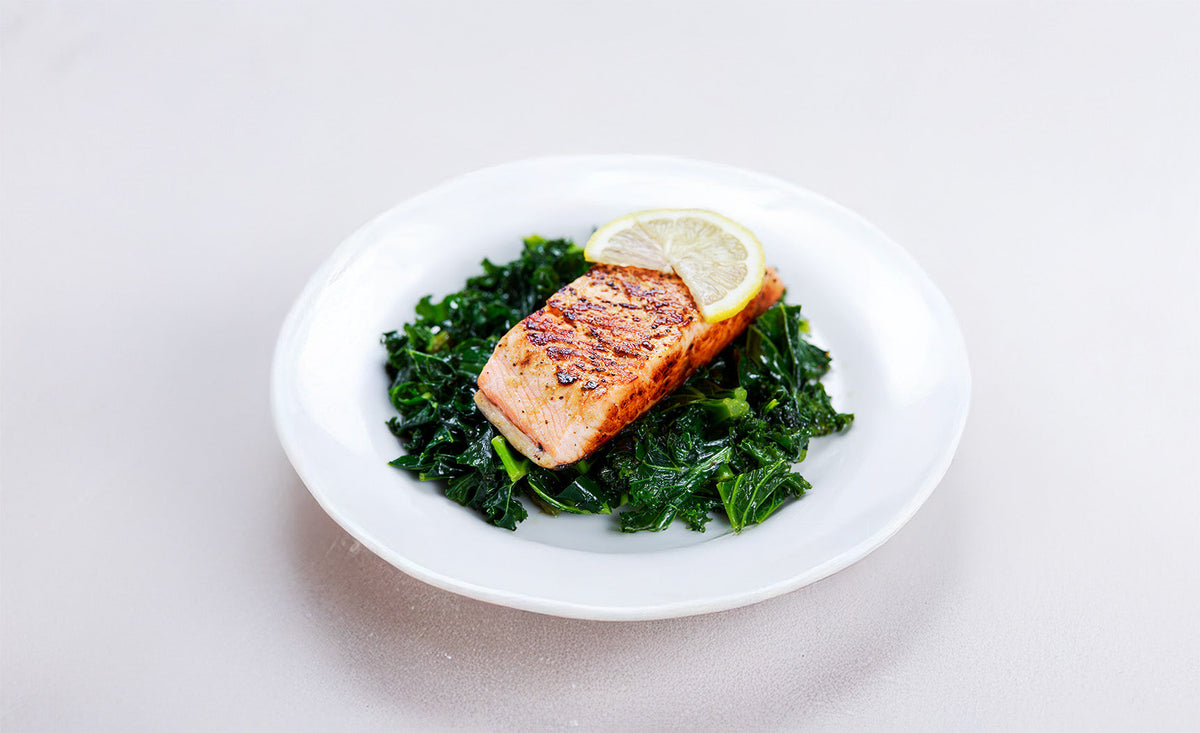
Salmon brings omega-3 fatty acids, protein, magnesium, potassium, selenium, and B-vitamins to the table, with omega-3s in particular linked to better heart and cognitive health in a lot of nutrition research. Wild-caught is generally the better choice if you're trying to minimize environmental toxins. Grill, broil, or smoke fillets before freeze-drying them, portioned individually or by family size — smoked salmon in particular holds up well and freeze-dries into a genuinely versatile pantry staple.
2. Kale
Kale delivers roughly twice the daily recommended vitamin C and three times the vitamin A of many common greens, plus vitamin B6, potassium, calcium, and magnesium. Freeze-dried kale has a mild flavor that works well folded into soups and stews — try it combined with white beans and chicken broth, simmered for about 20 minutes, for an easy, nutrient-dense base.
3. Blueberries
Blueberries are rich in antioxidants, vitamin C, and potassium, and their anti-inflammatory compounds are associated with better heart health in nutrition research. They're also good straight out of the freeze dryer as a snack, with no rehydration needed.
4. Red Bell Peppers
Red bell peppers pack roughly twice the vitamin C of an orange, without the natural sugar spike that comes with fruit. They also contain beta-carotene and lycopene, both linked to eye health. Freeze-dried, they work well as a hummus scoop or tossed into a stir-fry.
5. Pumpkin
Pumpkin is rich in beta-carotene and other nutrients that support overall health, and some people find its anti-inflammatory properties helpful alongside other joint-care habits. It freeze-dries and rehydrates similarly to butternut squash, making it an easy swap in soups and stews.
More on Freeze-Drying for Nutrition
If you're building a broader case for stocking nutrient-dense staples, can freeze-drying improve your health? and building a nutritional safety net both go further into that idea, and freeze-dried quick meal: salmon with pesto is a specific way to put freeze-dried salmon to use.
Frequently Asked Questions
What are the most nutrient-dense foods to freeze-dry?
Salmon, kale, blueberries, red bell peppers, and pumpkin are all particularly nutrient-dense and freeze-dry well, each bringing a distinct set of vitamins and minerals.
Does freeze-dried kale taste different from fresh kale?
Freeze-dried kale has a mild flavor and works especially well rehydrated into soups and stews, like a simple white bean and kale soup.
Can you eat freeze-dried blueberries without rehydrating them?
Yes — freeze-dried blueberries are good straight from the package as a snack, with no rehydration needed.
Is pumpkin a good substitute for butternut squash in recipes?
Yes — freeze-dried pumpkin freeze-dries and rehydrates similarly to butternut squash, so it works as an easy swap in most soup and stew recipes.
Share:
Adventures in Home Freeze-Drying: Lisa Barker's Story
Is a CSA Worth Joining? What to Expect