

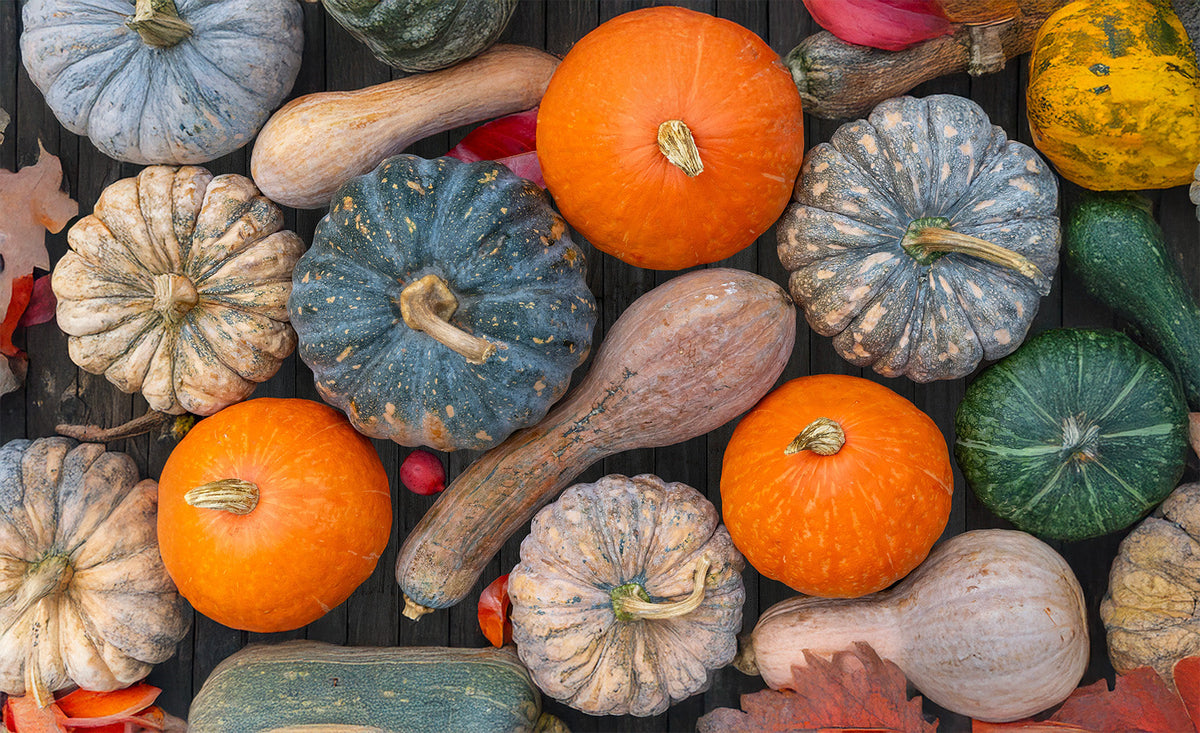
Lisa Barker grew up around food preservation — a backyard cherry tree marked the start of canning season every year, and the work continued through fall as apples, pumpkins, and root vegetables came in. It's a habit she learned from her mother and grandmother, and it stuck.
"We Don't Eat Real Peaches"
One story sums up the difference preservation method makes: after a playdate at another family's house, Lisa's five-year-old daughter came home confused, saying that family "didn't eat real peaches" — because at home, the peaches they ate were canned, and the canned version tasted like metal by comparison.
From Customer Questions to Retail Manager
While her kids were in school, Lisa worked mornings at a retail food storage and preparedness store, eventually managing it. That job put her hands-on with just about every preservation method — canning, pickling, dehydrating, salting, smoking, and freeze-drying — and taught her a practical lesson about portability: customers buying large No. 10 cans of dehydrated food often struggled to evacuate quickly with that much bulk. She settled on a mix of canning, dehydrating, and buying freeze-dried food to balance quick meal assembly with something she could actually grab and go with.
Dehydrating vs. Freeze-Drying, Briefly
Customers asked constantly what actually separates the two methods. The short version: dehydrating runs food through heat (roughly 110-160°F), which changes flavor and color and leaves it with an estimated 50-60% of its original nutrient value. Freeze-drying removes nearly all the water while the food stays cold, so it comes out two to three times lighter than dehydrated food and keeps close to all of its original flavor and nutrition. Freeze-drying vs. dehydrating: which is better? goes deeper into this comparison if you want the full picture.
How She Ended Up Here
Customers kept asking why home freeze-drying wasn't more accessible, and for years Lisa's honest answer was that commercial units were priced out of reach for most households. Discovering Harvest Right's home freeze dryer changed that — she called it a genuine game-changer, reached out to the company, and what started as a conversation turned into an ongoing arrangement: testing the machine and writing for the blog in exchange.
More From This Series
Storage foods with no preservatives and 5 nutrient-dense foods worth freeze-drying are both from around the same time as this post and worth reading alongside it.
Frequently Asked Questions
How does freeze-drying compare to dehydrating in terms of nutrition?
Dehydrating uses heat and retains an estimated 50-60% of a food's original nutrients, while freeze-drying keeps the food cold and preserves close to all of its original nutritional value.
Why is freeze-dried food lighter than dehydrated food?
Freeze-drying removes nearly all the water from food, making it roughly two to three times lighter than the same food dehydrated with heat.
Is freeze-dried food good for emergency preparedness because it's portable?
Yes — its light weight compared to canned or bulk dehydrated food makes it easier to pack and transport quickly if needed.
Share:
Long-Lasting Storage Foods Without Preservatives
5 Nutrient-Dense Foods Worth Freeze-Drying