

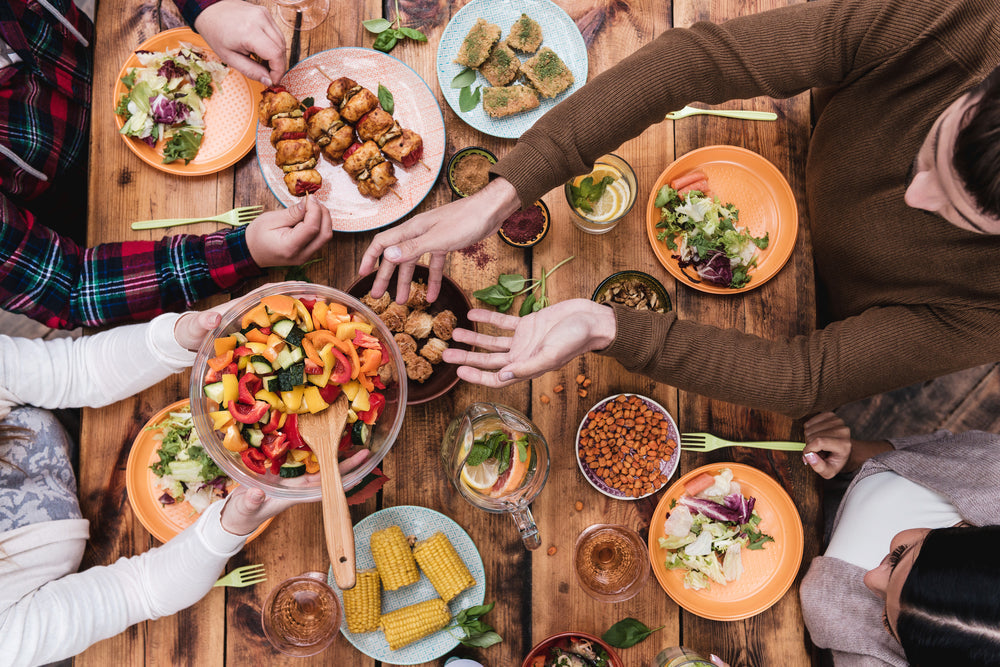
A huge amount of good food goes to waste every year in the U.S. — even as food insecurity remains a real problem for many households. Two habits go a long way toward closing that gap: freeze-drying food before it spoils, and sharing what you can't use with someone who can.
The Scale of the Problem
Research from around the mid-2010s put real numbers on how much food gets wasted at each stage of the chain: a substantial share of purchased meat ends up in landfills rather than eaten, restaurant portions have grown dramatically since the 1950s, a meaningful share of restaurant food goes uneaten and much of that never makes it home as leftovers, and a large share of what does come home still ends up thrown out. The exact figures shift depending on the year and the source, but the pattern has been consistent for a long time: a large share of food produced in the U.S. is never eaten.
Freeze-Drying Closes the Gap
Freeze-drying leftovers before they spoil, preserving bulk or discounted purchases before they turn, and holding onto extra produce from your own garden are all simple ways to keep food out of the trash. Since freeze-dried food can last up to 25 years properly stored, "before it spoils" becomes a much longer window than most households are used to working with.
Sharing What You Can't Use
Beyond your own kitchen, food-sharing apps have made it easier to connect surplus food with people who can use it — a bakery's day-old bread, extra homemade goods, or a garden's overflow produce can all find a home instead of the trash, through neighborhood-level apps built for exactly that kind of exchange.
Put It Into Practice
Reducing food waste covers more specific habits for cutting down on what you throw away, and 3 creative ways you can share your freeze-dried food has ideas for putting extra preserved food to good use. If foraging is part of how you source food, 5 most popular foods to forage is worth a look too.
Frequently Asked Questions
How much food actually goes to waste in the U.S.?
Research has consistently found that a large share of food produced in the U.S. — at the household, restaurant, and retail level — is never eaten, though the exact percentage varies by year and source.
How does freeze-drying help reduce food waste?
It extends the usable life of leftovers, bulk purchases, and garden surplus dramatically — properly stored freeze-dried food can last up to 25 years, compared to days or weeks for fresh or refrigerated food.
What can I do with extra food I can't use myself?
Food-sharing apps connect people with surplus food (bakeries with day-old goods, home cooks with extra batches, gardeners with overflow produce) to others in their area who can use it before it goes to waste.
Is household food waste really that common?
Yes — a meaningful share of food purchased by households is discarded rather than eaten, which is part of why planning ahead and preserving what you can are worth the effort.
Share:
Embracing Ugly Food to Cut Food Waste
The Best Wild Foods to Forage and Freeze Dry