

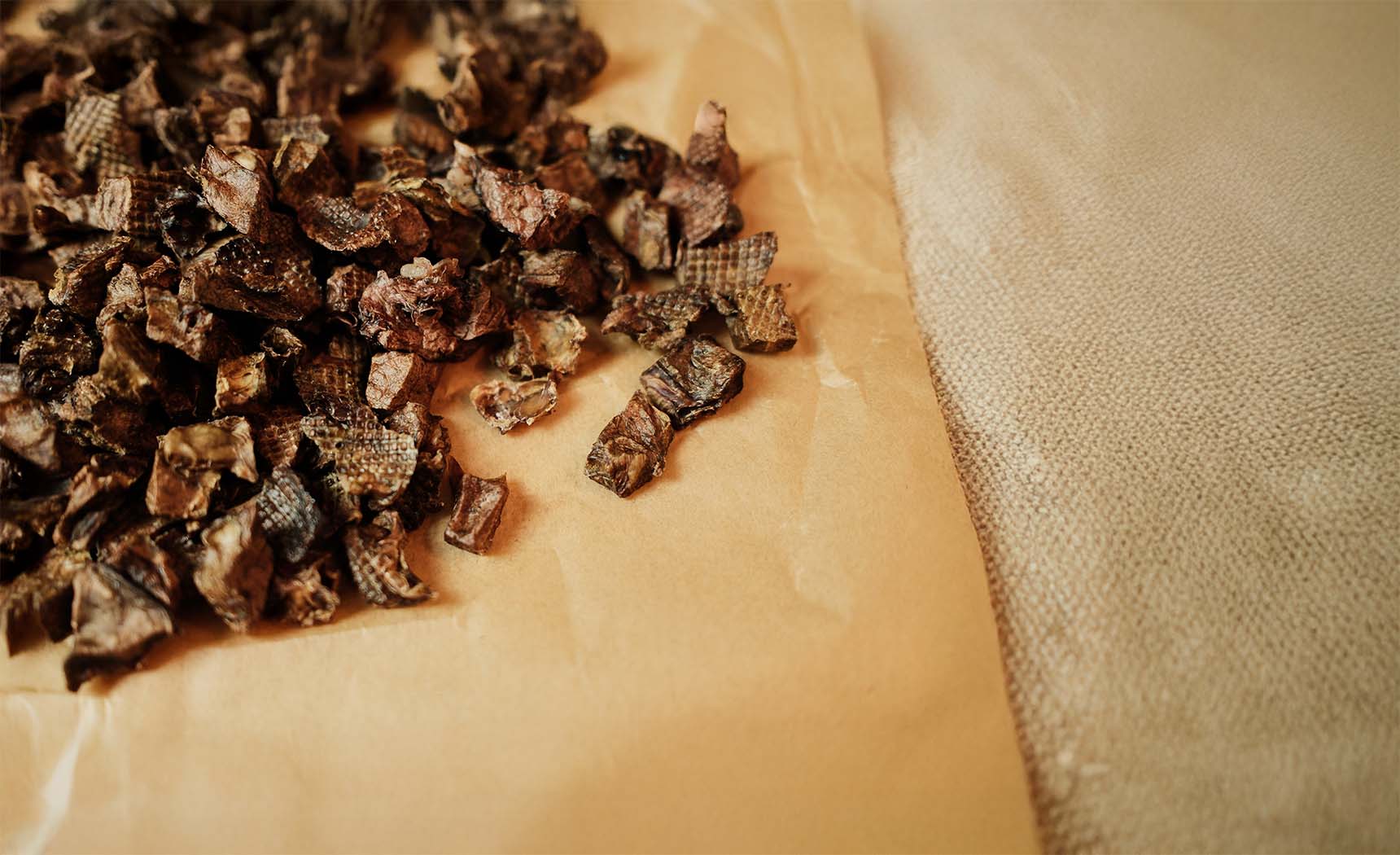
Every dog deserves safe, nutritious food—but there isn't one diet that's right for every pet.
Some dogs thrive on high-quality commercial foods. Others benefit from prescription diets, limited-ingredient formulas, fresh food, or veterinarian-formulated homemade meals. The best choice depends on your dog's age, activity level, health, lifestyle, and any medical conditions they may have.
As a pet owner, it's natural to want the very best for your dog. You may have questions about ingredient quality, food allergies, homemade meals, or whether freeze-dried food is a good option.
This guide explains how to evaluate your dog's diet, understand the different feeding options available, and learn how freeze drying can fit into a thoughtful nutrition plan.

Why Nutrition Matters
Food does much more than satisfy hunger.
A balanced diet supports your dog's:
-
Healthy growth and development
-
Muscle maintenance
-
Energy levels
-
Immune function
-
Skin and coat health
-
Digestive health
-
Healthy body weight
-
Overall quality of life
Dogs have different nutritional needs throughout their lives, so a diet that works well for a growing puppy may not be the best choice for an active adult or a senior dog.
There Isn't One "Perfect" Dog Food
One of the biggest misconceptions about dog nutrition is that there is one ideal food for every dog.
In reality, healthy dogs can do well on a variety of diets when those diets are complete, balanced, and appropriate for the individual animal.
Common options include:
Commercial Dry Food (Kibble)
Many families choose kibble because it is convenient, widely available, and formulated to provide complete nutrition for the intended life stage.
Benefits may include:
-
Easy storage
-
Consistent nutrition
-
Wide variety of formulas
-
Convenient portioning
Wet Food
Canned foods provide additional moisture and are often highly palatable.
Some owners feed wet food exclusively, while others combine it with dry food.
Fresh Food
Fresh refrigerated meals have become increasingly popular.
Some owners appreciate the recognizable ingredients and minimal processing, although refrigeration and shelf life should be considered.
Freeze-Dried Food
Freeze-dried foods are lightweight, convenient, and often available as complete meals or treats.
Some products are designed to be fed dry, while others are intended to be rehydrated before serving.
Homemade Diets
Some owners prepare homemade meals because they want greater control over ingredients or are working with their veterinarian to address specific dietary needs.
If homemade food becomes your dog's primary diet, it should be formulated to provide complete and balanced nutrition.
Prescription Diets
Dogs with certain medical conditions may benefit from therapeutic diets recommended by a veterinarian.
These diets are formulated for specific health needs and should generally be used under veterinary supervision.

What Should You Look for in a Dog Food?
Choosing food can feel overwhelming.
Instead of focusing on marketing claims alone, consider questions such as:
-
Is this food appropriate for my dog's age?
-
Does it match my dog's activity level?
-
Does my dog have food sensitivities?
-
Is my dog maintaining a healthy weight?
-
Does my veterinarian recommend this type of diet?
-
Can I feed this food consistently?
The goal isn't to find a trendy food—it's to find one that supports your individual dog's long-term health.
Understanding Dog Food Labels
Reading a label can help you make informed decisions.
Look for information such as:
-
Intended life stage
-
Feeding directions
-
Ingredient list
-
Guaranteed analysis
-
Calorie information
-
Storage recommendations
If you have questions about a specific product, your veterinarian can help explain how it fits your dog's nutritional needs.
Homemade Dog Food
Preparing homemade meals gives owners complete control over ingredients.
Potential advantages include:
-
Ingredient transparency
-
Ability to avoid certain allergens
-
Custom recipes
-
Batch cooking
-
Familiar ingredients
However, homemade diets also require careful planning.
A recipe that appears healthy may still lack important nutrients if it hasn't been properly formulated.
For dogs eating homemade food as their primary diet, work with your veterinarian or a board-certified veterinary nutritionist to develop recipes that meet your dog's nutritional requirements.
Where Freeze Drying Fits In
Freeze drying is a preservation method—not a nutrition plan.
It can help preserve:
-
Veterinarian-approved homemade meals
-
Homemade training treats
-
Single-ingredient protein treats
-
Travel meals
-
Emergency food supplies
Freeze drying allows owners to prepare larger batches of food, portion meals, and store them for future use.
The nutritional quality of the food depends on the recipe itself.
Choosing Healthy Treats
Treats are an enjoyable part of training and bonding, but they should remain a small part of your dog's overall diet.
Simple treats often work well, including:
-
Chicken
-
Turkey
-
Lean beef
-
Salmon
-
Pumpkin
-
Green beans
Treats should complement—not replace—balanced meals.
Many owners appreciate homemade freeze-dried treats because they know exactly which ingredients are included.
Foods Dogs Should Avoid
Some foods that are safe for people can be harmful to dogs.
Examples include:
-
Chocolate
-
Grapes
-
Raisins
-
Onions
-
Garlic
-
Xylitol (birch sugar)
-
Macadamia nuts
-
Alcohol
-
Caffeine
If you suspect your dog has eaten something toxic, contact your veterinarian or an emergency animal poison resource immediately.
Questions to Ask Your Veterinarian
If you're considering changing your dog's diet, helpful questions include:
-
Is my dog maintaining a healthy weight?
-
Does my dog have food allergies or sensitivities?
-
Would a homemade diet be appropriate?
-
Does my dog need a therapeutic diet?
-
How many calories should my dog eat each day?
-
Are supplements necessary?
-
Are there ingredients I should avoid?
These conversations can help you make decisions based on your dog's individual needs rather than general trends.
Travel and Emergency Planning
If you regularly travel with your dog or prepare emergency supplies, planning ahead can simplify feeding.
Freeze-dried meals and treats can be useful because they are:
-
Lightweight
-
Easy to portion
-
Convenient to transport
-
Simple to organize
Many owners include food, treats, water, bowls, medications, and veterinary records in their pet emergency kits.

Frequently Asked Questions
Is homemade dog food healthier than commercial food?
Not necessarily.
Both homemade and commercial diets can support good health when they are nutritionally complete and appropriate for the individual dog.
Can I make homemade dog treats?
Yes.
Many owners prepare simple treats using ingredients such as chicken, turkey, or lean beef.
Treats should be offered in moderation and should not replace complete meals.
Is freeze-dried dog food safe?
Commercial freeze-dried products and properly prepared homemade freeze-dried meals can both be appropriate options, depending on the recipe and your veterinarian's recommendations.
Can I feed freeze-dried food every day?
Some freeze-dried products are formulated as complete daily diets, while others are intended only as treats or meal toppers.
Always follow the product's feeding instructions or your veterinarian's guidance.
How often should I change my dog's food?
Frequent changes are not always necessary.
If you plan to transition to a new food, your veterinarian can recommend a gradual approach that helps minimize digestive upset.
How do I know if my dog's diet is working?
Healthy dogs generally maintain an appropriate body weight, have good energy levels, healthy skin and coats, and consistent digestion.
Routine veterinary checkups are the best way to monitor your dog's overall health.
Every Dog Is Different
One of the best things you can do as a pet owner is recognize that nutrition isn't one-size-fits-all.
The right food for your dog depends on their unique needs, lifestyle, and health—not simply on advertising or current trends.
Whether you choose a commercial diet, veterinarian-formulated homemade meals, freeze-dried food, or a combination of approaches, thoughtful planning and regular veterinary care can help ensure your dog receives the nutrition they need to thrive.
If you decide to prepare homemade meals or treats, a Harvest Right freeze dryer can help preserve those veterinarian-approved recipes, making them easier to portion, store, and enjoy for months to come.
Share:
Freeze Drying Cottage Cheese and Tomatoes
Strawberry Chocolate Chip Cookies