

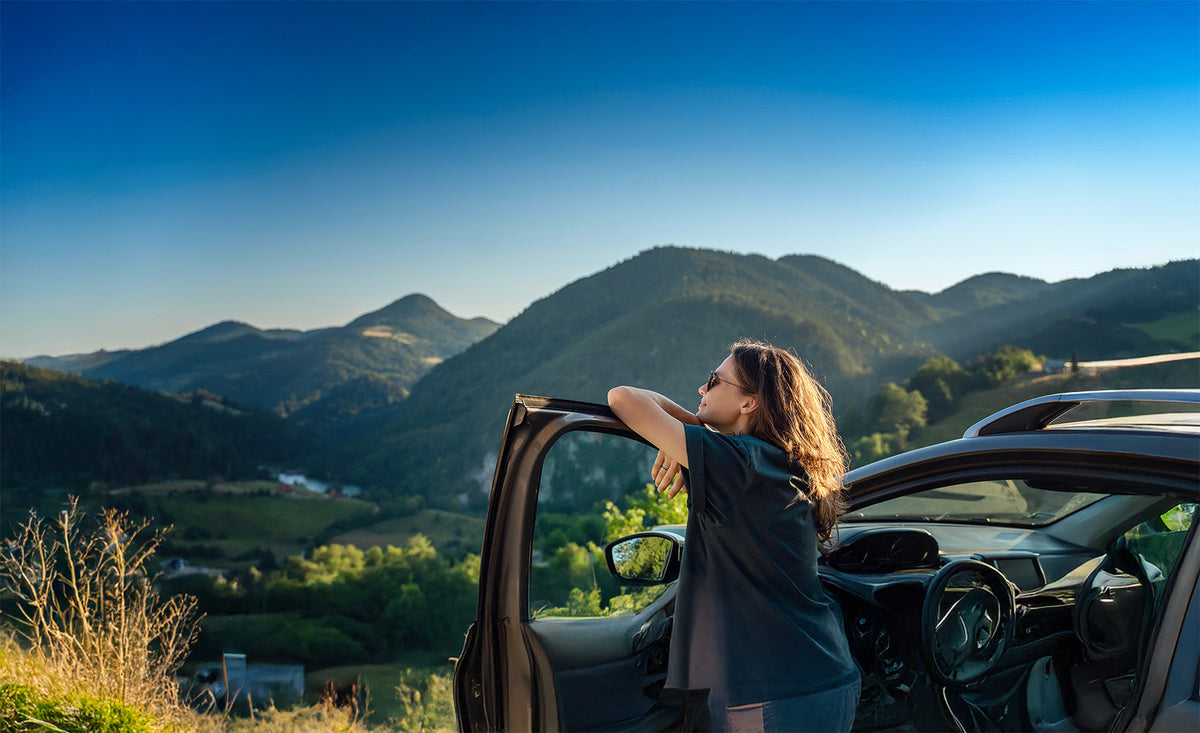
Carol, a Harvest Right customer from Utah, got her freeze dryer at Christmas and ran it almost nonstop through the following summer — mostly to stock her 5th-wheel RV for dry camping. Her honest question going in: would her husband actually enjoy meals rehydrated from a bag, or just tolerate them? Her answer, after months of testing it out: "a resounding yes."
Why Smaller Mylar Bags Worked Better for Two
Rather than freeze-drying large batches, Carol found that smaller Mylar bags sized for two people worked best — lightweight enough not to weigh down the RV's pantry shelves, and sized so nothing went to waste after a meal. She rehydrated most meals with bottled water, switching to juice or broth only when a recipe specifically called for it.
Her Go-To Meals
A rotating lineup of single-dish meals covered most of her camping trips: Costco chicken Alfredo (reheated right in a disposable foil pan), homemade chicken and rice casserole, beef stroganoff with homemade spaetzle noodles, taco soup topped with rehydrated cheddar and corn chips, sausage tortellini soup, a tomato-based hamburger goulash with elbow macaroni, canned Hormel chili freeze-dried straight from the can, and marinated grilled chicken slices served over fresh salad.
Recipes From a Cookbook, Adapted for the Road
Carol also pulled recipes from Stephanie Petersen's cookbook Meals in a Jar, including a macaroni, cheese, and asparagus casserole, a chicken noodle skillet, and a cheeseburger skillet — all built from freeze-dried ingredients pre-measured into Mylar bags, ready to cook with just water added.
Breakfast on the Road
Mornings relied on freeze-dried milk, raw scrambled eggs, pre-cooked sausage patties, and freeze-dried biscuits and gravy — all shelf-stable and quick enough to make before a full day outdoors.
A Few Practical Tricks
Sandwich meat, rolled before freeze-drying, went into Mylar bags sandwiched between two paper plates to keep it from getting crushed in storage. With most meals living in Mylar bags instead of the fridge, the RV's refrigerator was freed up almost entirely for fresh produce and drinks.
More on Cooking and Traveling With Freeze-Dried Food
Packing light: freeze-dried food for road trips covers the car-travel version of this same idea, and rehydrating freeze-dried full meals, bread, and cake is useful if you're building your own rotation of casseroles and one-dish meals like Carol's.
Frequently Asked Questions
Can freeze-dried meals work for RV camping or dry camping?
Yes — smaller Mylar bags sized for the number of people traveling keep things lightweight and easy to store, and most meals rehydrate with just bottled water.
What kinds of meals freeze-dry well for camping trips?
Single-dish meals travel best — casseroles, soups, pasta dishes, and pre-cooked proteins all rehydrate easily and don't require much cleanup afterward.
How do you keep freeze-dried sandwich meat from getting crushed in storage?
Roll the slices before freeze-drying, then store them in a Mylar bag sandwiched between two paper plates to protect them until they're rehydrated.
Do freeze-dried meals need a refrigerator while camping?
No — most freeze-dried meals store fine in Mylar bags at room temperature, which frees up RV refrigerator space almost entirely for fresh produce and drinks.
Share:
Freeze Dried Vacation Meals
Stop Food Waste