

If getting more vegetables into your diet — or a picky eater's — is part of your goals this year, hiding them inside food you already love is one of the easier ways to get there. Freeze-drying makes that especially simple, since it turns a vegetable into a powder that blends into a dish without changing how it looks or tastes very much.
Why Powdering Works So Well
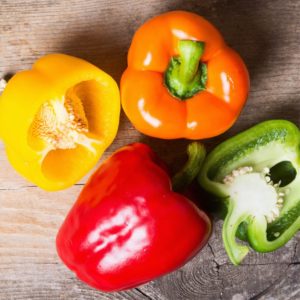
Sweet peppers are a good example. Dice them, freeze-dry them, then blend or process them into a fine powder. That powder disappears into pizza sauce, pasta sauce, chili, scrambled eggs, omelets, and quiche — adding the nutrition of the vegetable without the texture or visible pieces that make some eaters avoid it in the first place. To use it, either spritz the powder lightly with water to rehydrate it slightly before adding it to a dish, or stir it in dry and let it absorb moisture from whatever it's mixed into.
Recipe: Sweet Pepper Melange Topping
This one goes a step further, turning powdered peppers into a spreadable topping.
Ingredients:
- 4 cups diced red, green, yellow, and orange peppers (any combination)
- 1 medium yellow onion, diced
- 1 teaspoon fresh oregano
- 1 teaspoon fresh thyme
- 1/2 teaspoon dried red pepper flakes
Instructions: Combine all ingredients evenly in a large bowl. Freeze-dry the mixture and store it in an airtight container. When you're ready to use it, blend or process it into a powder, then mix it with softened butter until you have a spreadable topping — perfect for garlic bread, but also good stirred into softened cream cheese for a savory dip.
More Ways to Work In Vegetables
How to add more veggies to your diet has more strategies beyond powdering, and freeze-drying and rehydrating crunchy vegetables is a good next read if snacking on vegetables whole, rather than hiding them, is more your approach.
Frequently Asked Questions
How do you hide vegetables in food using a freeze dryer?
Freeze-dry the vegetable, then blend or process it into a fine powder. Powdered vegetables like sweet peppers blend into sauces, eggs, and chili without much noticeable texture or color change.
Do you need to rehydrate powdered freeze-dried vegetables before using them?
Not necessarily — a light spritz of water rehydrates the powder slightly, or it can be stirred in dry and left to absorb moisture from whatever dish it's added to.
What can you make with freeze-dried pepper powder?
Beyond adding it to sauces and eggs, mixing it with softened butter makes a spreadable topping for garlic bread, and it also works stirred into cream cheese for a savory dip.
How long does a freeze-dried pepper mixture keep?
Stored in an airtight container after freeze-drying, it keeps far longer than fresh diced peppers would — well beyond what you'd get from refrigerating or freezing them.
Share:
Make-Ahead Holiday Breakfasts With a Freeze Dryer
Make-Ahead Holiday Breakfasts With a Freeze Dryer