

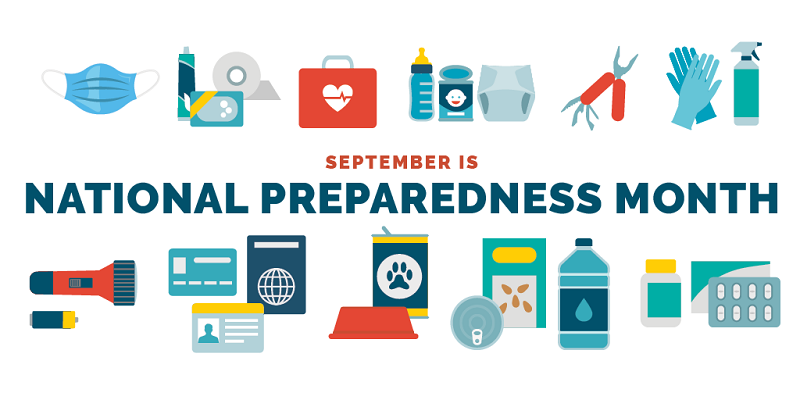
Every September, National Preparedness Month reminds families to think ahead about the emergencies that could affect their homes and communities.
Severe storms, wildfires, floods, earthquakes, winter weather, power outages, and other disruptions can happen with little warning. Although no family can predict every situation, taking a few practical steps in advance can make an emergency less confusing and easier to manage.
Preparedness does not mean reacting out of fear or purchasing everything at once. It means understanding your local risks, making a family plan, gathering essential supplies, and gradually building the skills and resources your household may need.
National Preparedness Month is a useful time to begin, but the best preparedness plans are reviewed and improved throughout the year.
What Is National Preparedness Month?
National Preparedness Month is observed each September to encourage individuals, families, businesses, and communities to prepare for emergencies and disasters.
The campaign was established by FEMA in 2004 and promotes practical actions people can take before an emergency occurs.
Those actions generally include:
-
Learning which emergencies are most likely in your area
-
Creating a family communication plan
-
Preparing for power and water disruptions
-
Considering the needs of children, older adults, pets, and people with disabilities
-
Learning how local alerts and emergency instructions are communicated
-
Helping neighbors and strengthening community preparedness
The goal is not to prepare for one specific disaster. It is to create a flexible plan that can help your household respond to many different disruptions.
Preparedness Starts with Understanding Your Risks
A preparedness plan should reflect where you live.
A household in a hurricane-prone coastal area may have different priorities from a family preparing for earthquakes, winter storms, tornadoes, wildfires, or extreme heat.
Start by identifying the events most likely to affect your community.
Possible risks include:
-
Power outages
-
Severe thunderstorms
-
Tornadoes
-
Hurricanes
-
Flooding
-
Wildfires
-
Earthquakes
-
Winter storms
-
Extreme heat
-
Water-service interruptions
-
Evacuations
-
Transportation disruptions
-
Local industrial or hazardous-material incidents
Your local emergency-management agency, weather service, utility companies, and community alert systems can help you understand the risks in your area.
Once you know which emergencies are most likely, you can build a more useful plan rather than collecting random supplies.
Create a Family Emergency Plan
During an emergency, family members may be at work, school, home, or traveling in different directions.
A written communication plan helps everyone know what to do.
Your plan should answer several basic questions:
-
How will family members contact one another?
-
Where will everyone meet if the home is unsafe?
-
Who will pick up children from school?
-
Where will pets go during an evacuation?
-
Which relative or friend outside the area can serve as the family contact?
-
How will you receive local alerts?
-
Which evacuation routes are available?
-
What should each person take if the family must leave quickly?
Keep copies of the plan:
-
At home
-
In vehicles
-
In school backpacks
-
In work bags
-
With trusted relatives
-
On each family member’s phone
Choose an out-of-area contact when possible. Local phone networks may be overloaded during a regional emergency, while someone outside the affected area may be easier to reach.
Practice the Plan
A written plan is more useful when everyone has practiced it.
Review:
-
Home evacuation routes
-
Meeting locations
-
Fire escape plans
-
Shelter locations
-
Emergency contacts
-
School pickup procedures
-
Pet responsibilities
-
Utility shutoff procedures, when appropriate
Practice does not need to be complicated.
A short family discussion and occasional drill can reveal missing phone numbers, outdated addresses, unclear responsibilities, or supplies that need to be replaced.
Build an Emergency Supply Kit
An emergency kit should help your household manage basic needs if normal services are unavailable.
The exact contents depend on your family, location, climate, and emergency risks, but most household kits include several core categories.
Water
Store water for drinking, cooking, and basic sanitation.
Think about:
-
Every household member
-
Pets
-
Hot weather
-
Medical needs
-
Food preparation
-
Limited access to running water
Stored water should be rotated according to the container or supplier’s instructions.
You may also want:
-
Portable water containers
-
A water filter suited to your intended use
-
Water-purification supplies
-
A method for boiling water when utilities are unavailable
Follow local emergency instructions whenever officials issue a boil-water notice or contamination warning.
Food
Choose foods that:
-
Require little or no refrigeration
-
Are familiar to your household
-
Fit dietary restrictions
-
Are easy to prepare
-
Provide sufficient calories and variety
-
Can be stored and rotated realistically
Useful emergency foods may include:
-
Canned meat, beans, fruit, and vegetables
-
Nut or seed butters, when appropriate
-
Crackers and shelf-stable grains
-
Ready-to-eat meals
-
Shelf-stable milk or alternatives
-
Dried or freeze-dried fruit
-
Freeze-dried proteins
-
Foods for infants or young children
-
Foods suitable for medical or allergy-related diets
Include a manual can opener if any food requires one.
Lighting and Communication
Consider adding:
-
Flashlights
-
Headlamps
-
Extra batteries
-
Battery-powered or hand-crank radio
-
Phone charging banks
-
Charging cables
-
Car chargers
-
Written emergency contacts
-
Local maps
Do not rely on a single phone or charging method.
First Aid and Health Supplies
Include:
-
First-aid kit
-
Necessary medications
-
Copies of prescriptions
-
Basic hygiene supplies
-
Hand sanitizer
-
Masks when appropriate
-
Eyeglasses or contact-lens supplies
-
Hearing-aid batteries
-
Medical-device backup supplies
-
Menstrual products
-
Infant supplies
Discuss emergency medication planning with your healthcare provider or pharmacist, especially for prescriptions that require refrigeration or specialized equipment.
Sanitation
Possible supplies include:
-
Toilet paper
-
Moist wipes
-
Soap
-
Trash bags
-
Disposable gloves
-
Disinfecting products
-
Personal hygiene items
-
Portable sanitation supplies, if appropriate
Warmth and Protection
Depending on your climate, include:
-
Blankets
-
Warm clothing
-
Rain gear
-
Sturdy shoes
-
Work gloves
-
Sun protection
-
Seasonal clothing
-
Emergency shelter supplies
Tools and Documents
Keep important items such as:
-
Multipurpose tool
-
Whistle
-
Fire extinguisher
-
Matches or lighter stored safely
-
Copies of identification
-
Insurance information
-
Medical information
-
Emergency contacts
-
Small amount of cash
-
Spare keys
-
Paper and pencil
Store sensitive documents securely and protect them from moisture.
Prepare for Power Outages
Power outages may last from a few minutes to several days.
A power-outage plan should consider:
-
Lighting
-
Phone charging
-
Refrigerated medications
-
Heating and cooling
-
Food safety
-
Medical devices
-
Water pumps
-
Garage doors
-
Cooking
-
Communication
Useful preparations may include:
-
Charging power banks regularly
-
Keeping flashlights in known locations
-
Maintaining batteries
-
Knowing how to open an electric garage door manually
-
Keeping refrigerator and freezer doors closed
-
Having foods that require no refrigeration
-
Planning for extreme heat or cold
-
Understanding generator safety
Never operate a generator, grill, or fuel-burning device inside a home, garage, basement, or other enclosed area.
Build a Food Supply Your Family Will Actually Eat
An emergency food supply should not be filled only with foods your household rarely uses.
Familiar meals can provide comfort and reduce stress during a difficult situation.
When planning food storage, consider:
-
Favorite meals
-
Allergies
-
Religious or cultural food needs
-
Medical diets
-
Child-friendly foods
-
Older adults’ needs
-
Texture or swallowing concerns
-
Preparation requirements
-
Available cooking methods
-
Water needed for rehydration
A practical food supply is one you regularly rotate and understand how to prepare.
How a Home Freeze Dryer Can Support Preparedness
A home freeze dryer can help families preserve many of the foods they already cook and enjoy.
Depending on the recipe and preparation method, families may freeze dry:
-
Fruits
-
Vegetables
-
Cooked meats
-
Rice and pasta dishes
-
Soups and stews
-
Breakfast meals
-
Casseroles
-
Dairy products
-
Snacks
-
Complete family recipes
This can provide several preparedness benefits.
Greater Ingredient Control
You choose:
-
The recipe
-
Ingredients
-
Seasonings
-
Portion size
-
Allergens
-
Sodium level
-
Dietary substitutions
This can be especially helpful for households with food allergies, intolerances, or medically necessary diets.
Freeze drying does not remove allergens. It simply allows you to preserve meals made with ingredients you selected.
Familiar Meals
Emergencies are stressful.
Having meals your family recognizes may make eating easier, particularly for children, older adults, or people with dietary sensitivities.
Flexible Portions
Meals can be packaged as:
-
Individual servings
-
Two-person portions
-
Family meals
-
Ingredient packs
-
Snack-size portions
Smaller packages are easier to rotate and prevent repeatedly exposing a large container to moisture and oxygen.
Reduced Food Waste
Preparedness food does not have to be purchased only for emergencies.
Freeze-dried foods can also be used for:
-
Busy weeknights
-
Camping
-
Travel
-
Power outages
-
Hunting trips
-
Road trips
-
Pantry rotation
-
Preserving leftovers
Using and replacing stored food helps prevent forgotten supplies from aging indefinitely.
Freeze-Dried Food Is Only Part of a Preparedness Plan
Food storage is valuable, but it should not replace other essential preparations.
A complete preparedness plan also includes:
-
Water
-
Communication
-
Medical supplies
-
Emergency contacts
-
Evacuation planning
-
Lighting
-
Sanitation
-
Weather awareness
-
Financial records
-
Pet planning
-
Community support
A pantry full of food will not solve every emergency need.
Preparedness works best when supplies, plans, skills, and communication support one another.
How Much Emergency Food Should You Store?
There is no single ideal amount for every household.
Begin with a manageable goal.
For example:
-
Build a short-term supply for common disruptions.
-
Add several days of familiar meals.
-
Expand gradually as storage space and budget allow.
-
Include foods that require little preparation.
-
Track calories, servings, water needs, and dietary requirements.
-
Rotate what you store.
Avoid purchasing large quantities without a clear plan for:
-
Packaging
-
Storage
-
Preparation
-
Water
-
Rotation
-
Replacement
A smaller, well-managed supply is often more useful than a large collection of unfamiliar food.
Remember Water Needed for Rehydration
Freeze-dried meals are lightweight because their moisture has been removed.
That means water must be available when you are ready to rehydrate them.
When calculating emergency water needs, include water for:
-
Drinking
-
Cooking
-
Infant formula
-
Medications
-
Pets
-
Sanitation
Some freeze-dried fruits, vegetables, and snacks can be eaten dry, but complete meals, meat, pasta, rice, and casseroles are generally more enjoyable when rehydrated.
Package Freeze-Dried Food Correctly
Long-term food quality depends on more than the freeze-drying cycle.
Before packaging:
-
Confirm the food is completely dry.
-
Check the thickest pieces.
-
Add additional dry time when uncertain.
-
Package food promptly.
-
Protect it from humid air.
For long-term storage, many people use:
-
Mylar bags
-
Appropriately sized oxygen absorbers
-
Complete heat seals
-
Clear labels
-
Cool, dry, dark storage
For foods used more frequently, vacuum-sealed jars may be convenient.
Shelf life varies according to:
-
Food type
-
Fat content
-
Residual moisture
-
Packaging
-
Oxygen exposure
-
Temperature
-
Humidity
-
Light exposure
Avoid assuming that every freeze-dried food will remain at peak quality for the same number of years.
Higher-fat foods, such as fatty meats, cheese, nuts, avocado, and oily meals, generally require more conservative rotation than low-fat fruits, vegetables, grains, or legumes.
Label Emergency Food Clearly
Every package should include:
-
Food name
-
Packaging date
-
Number of servings
-
Water required
-
Rehydration instructions
-
Allergens
-
Special preparation notes
For example:
Chicken and rice—two servings
Add 2 cups hot water. Stir, cover, and rest. Add additional water gradually if needed.
Clear instructions are especially helpful if someone other than the person who prepared the food needs to use it.
Store Food in the Right Environment
A good storage area is:
-
Cool
-
Dry
-
Dark
-
Clean
-
Protected from pests
-
Easy to inspect
-
Stable throughout the year
Avoid locations with:
-
Extreme heat
-
Direct sunlight
-
High humidity
-
Frequent temperature swings
-
Flooding risk
-
Pest activity
Garages, sheds, vehicles, and attics may become much hotter or colder than expected.
Rotate Your Emergency Food
Preparedness food should be inspected and used.
Create a routine to:
-
Check seals
-
Look for moisture
-
Inspect for pests
-
Review package dates
-
Replace damaged bags
-
Use older food first
-
Update rehydration instructions
-
Replace foods your family no longer eats
A simple first-in, first-out system keeps the pantry useful.
You can rotate stored meals into:
-
Weekly dinners
-
Camping trips
-
School lunches
-
Road trips
-
Outdoor activities
-
Quick meals during busy weeks
Prepare for Dietary and Medical Needs
Generic emergency food kits may not meet every household’s requirements.
Plan specifically for:
-
Food allergies
-
Gluten-free diets
-
Dairy-free diets
-
Low-sodium diets
-
Diabetes management
-
Infant feeding
-
Texture-modified diets
-
Medication interactions
-
Religious dietary requirements
Speak with qualified healthcare professionals when a medical condition affects food, hydration, medication, or emergency planning.
Store copies of important dietary and medical instructions with your emergency documents.
Do Not Forget Pets
Pets need their own plans and supplies.
Consider:
-
Food
-
Water
-
Medications
-
Leash or harness
-
Carrier
-
Identification
-
Vaccination records
-
Waste supplies
-
Comfort item
-
Evacuation destination
Not every shelter or hotel accepts pets, so identify options before an emergency.
Include a Vehicle Kit
Emergencies do not always happen while everyone is at home.
A basic vehicle kit may include:
-
Water
-
Shelf-stable snacks
-
Flashlight
-
Phone charger
-
Blanket
-
Seasonal clothing
-
First-aid supplies
-
Reflective warning equipment
-
Basic tools
-
Paper map
-
Emergency contact information
Adjust the kit for heat, winter weather, long-distance travel, and local hazards.
Do not store food or medication in a vehicle when extreme temperatures would make it unsafe or reduce its quality.
Prepare Children Without Frightening Them
Children should know enough to act without being overwhelmed.
Teach them:
-
Their full name
-
Home address
-
Important phone numbers
-
How to call emergency services
-
Where the family meets
-
Which adults may pick them up
-
What emergency alerts sound like
-
Where basic supplies are kept
Use calm, age-appropriate language and focus on the idea that practicing helps the family work together.
Check on Neighbors and Community Members
Preparedness is not only an individual responsibility.
During an emergency, some neighbors may need help because of:
-
Age
-
Disability
-
Medical equipment
-
Limited transportation
-
Language barriers
-
Social isolation
Discuss appropriate ways to communicate and assist before an emergency occurs.
Know your community’s:
-
Alert systems
-
Evacuation routes
-
Shelter locations
-
Emergency-management contacts
-
Volunteer opportunities
-
Neighborhood plans
Stronger community connections can improve everyone’s ability to respond.
A Four-Week National Preparedness Month Plan
Instead of trying to complete everything at once, use September to work through one category each week.
Week 1: Know Your Risks
-
Identify likely local hazards.
-
Sign up for emergency alerts.
-
Review insurance coverage.
-
Learn evacuation routes.
-
Locate community shelters.
Week 2: Make a Family Plan
-
Choose meeting locations.
-
Select an out-of-area contact.
-
Assign responsibilities.
-
Plan for pets.
-
Review school and workplace procedures.
-
Practice the plan.
Week 3: Build or Update Your Kit
-
Check water.
-
Add food.
-
Replace batteries.
-
Review medications.
-
Add sanitation supplies.
-
Update documents.
-
Prepare vehicle kits.
Week 4: Strengthen Food and Home Readiness
-
Inventory pantry food.
-
Package freeze-dried meals.
-
Label rehydration instructions.
-
Check smoke and carbon-monoxide alarms.
-
Charge backup batteries.
-
Review generator safety.
-
Check on neighbors.
-
Schedule the next preparedness review.
This approach turns a large project into a series of manageable actions.
Preparedness Tasks for the Rest of the Year
January
-
Review emergency contacts.
-
Update medication and medical information.
-
Check winter supplies.
Spring
-
Review flood and severe-weather risks.
-
Inspect outdoor equipment.
-
Refresh vehicle kits.
Summer
-
Prepare for heat, wildfire, hurricanes, and power outages as relevant.
-
Review water storage.
-
Preserve seasonal produce.
September
-
Complete a full preparedness review.
-
Practice the family plan.
-
Rebuild or improve emergency kits.
Fall
-
Prepare for winter weather.
-
Check heating equipment.
-
Inspect stored food and packaging.
-
Review backup-power plans.
Preparedness is easier when small tasks are spread throughout the year.
Common Preparedness Mistakes
Focusing Only on Food
Food is important, but water, medication, communication, and sanitation may become urgent sooner.
Buying Supplies Without a Plan
A collection of equipment is not a substitute for knowing how and when to use it.
Storing Food the Family Dislikes
Unfamiliar food may go unused and can add stress.
Forgetting Rehydration Water
Freeze-dried meals require water unless they are eaten dry.
Ignoring Dietary Needs
Emergency food should reflect allergies, medical conditions, and household preferences.
Failing to Rotate Supplies
Food, batteries, medications, and documents all require review.
Creating a Plan Nobody Knows
Every household member should understand the basic plan.
Depending on One Communication Method
Phones, internet service, or electricity may be interrupted.
Forgetting Pets
Pet food, medication, identification, and evacuation planning should be included from the beginning.
Frequently Asked Questions
When is National Preparedness Month?
National Preparedness Month is observed each September, but emergency planning and supply maintenance should continue throughout the year.
What should a family do first?
Begin by identifying local hazards, signing up for emergency alerts, and creating a family communication plan. Then build supplies gradually around your household’s actual needs.
How much emergency food should I store?
Start with a realistic short-term supply and expand gradually. Consider servings, calories, dietary needs, cooking requirements, water, storage space, and regular rotation.
Is freeze-dried food good for emergency preparedness?
Freeze-dried food can be a useful part of an emergency pantry because it is lightweight, shelf stable when properly processed and packaged, and available in a wide range of ingredients and complete meals.
Does all freeze-dried food last 25 years?
No single shelf-life promise applies to every food. Longevity depends on complete drying, food composition, fat content, packaging, temperature, humidity, oxygen, and light exposure.
How should freeze-dried emergency meals be packaged?
For long-term storage, many households use Mylar bags with appropriately sized oxygen absorbers, complete heat seals, clear labels, and cool, dry, dark storage.
How much water should be stored for freeze-dried meals?
Include rehydration and cooking water in addition to drinking and sanitation needs. The amount depends on the meals stored and their preparation instructions.
Can a home freeze dryer help with special diets?
Yes. It allows families to preserve meals made with selected ingredients. Freeze drying does not remove allergens, so foods must be prepared and handled according to the household’s dietary requirements.
How often should emergency supplies be checked?
Review supplies at least periodically and after any use. Replace expired medications, damaged packages, depleted batteries, outdated documents, and food your household no longer uses.
Preparedness Is Built One Step at a Time
National Preparedness Month is not about completing a perfect emergency plan in one day.
It is a reminder to take practical steps before a disruption occurs.
Start by understanding local risks. Make a communication plan. Gather water, food, medical supplies, lighting, and essential documents. Consider the needs of children, pets, older adults, and anyone who depends on medication or medical equipment.
A home freeze dryer can support that plan by helping you preserve familiar foods and complete meals, but food storage should remain one part of a broader preparedness strategy.
The best plan is one your family understands, practices, and updates throughout the year.
Share:
It's One Less Thing To Worry About
New Leather on an Old Shoe