

Dairy is one of the more useful things to freeze-dry, since it normally has such a short refrigerator life — turning it shelf-stable cuts down on waste and keeps a pantry stocked with staples that would otherwise need a trip to the store every week or two.
Yogurt and Sour Cream
Spread a thick, even layer of yogurt or sour cream on a freeze-drying tray before running the cycle. Yogurt is worth calling out specifically for its protein content — stirred into oatmeal, it adds a meaningful protein boost to breakfast. To rehydrate either one, add water a little at a time while stirring until it's back to its original texture.
Milk
Freeze-dried milk, ground into a powder, is also useful as a baking ingredient on its own — it makes recipes like cakes noticeably moister than they'd otherwise turn out.
Ice Cream
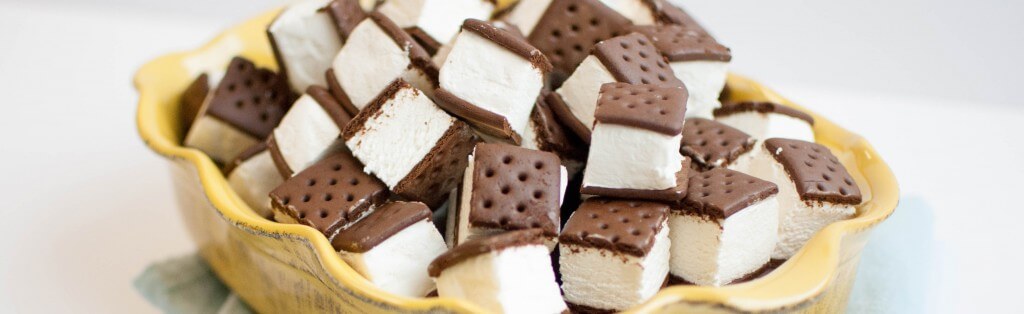
Freeze-dried ice cream sandwiches don't need rehydrating at all — they're meant to be eaten as a crunchy snack straight from the freeze dryer. They can also be powdered in a food processor and stirred into another recipe for an ice cream flavor without the ice cream itself.
Cheese
Both sliced and shredded cheese freeze-dry well, and there are a few ways to bring them back depending on what you're making. Place it on top of a casserole under foil and let it absorb moisture from the dish as it heats. Spritz it with water and microwave it for melted cheese. Or seal sliced cheese in a ziplock bag with a moist paper towel and let it rehydrate gradually until the texture is restored. Cheese works fine on its own, but it's especially useful to have on hand for pastas and casseroles.
Eggs
Whisk raw eggs before pouring them onto a freeze-drying tray. Freeze-dried eggs powder easily and only need water to reconstitute — but since they were freeze-dried raw, cook them the same way you would any raw egg before eating, whether that's scrambling them in a skillet or the microwave. Scrambled eggs already mixed with cheese or ham freeze-dry and reconstitute the same way, with a little water and a few minutes in the microwave or on the stovetop.
More Dairy and Egg Ideas
Delicious freeze-dried yogurt drops and freeze-drying cottage cheese and tomatoes both go deeper into specific dairy foods, and rehydrating full meals, bread, and cake rounds out the rest of your pantry if dairy is just one piece of what you're preserving.
Frequently Asked Questions
How do you rehydrate freeze-dried yogurt or sour cream?
Add water a little at a time while stirring until it returns to its original texture.
Do you need to rehydrate freeze-dried ice cream sandwiches?
No — they're meant to be eaten as a crunchy snack straight from the bag, or powdered and stirred into another recipe for ice cream flavor.
What's the best way to rehydrate freeze-dried cheese?
It depends on the use: place it on a casserole under foil to absorb moisture as it bakes, spritz and microwave it for melted cheese, or seal sliced cheese in a ziplock bag with a moist paper towel for a gradual rehydration.
Do you need to cook freeze-dried eggs after rehydrating them?
If they were freeze-dried raw, yes — treat rehydrated egg the same as any raw egg and cook it fully before eating, whether scrambled in a skillet or the microwave.
Share:
Is the Small Home Freeze Dryer Right for You?
Rehydrating Full Meals, Bread, and Cake