

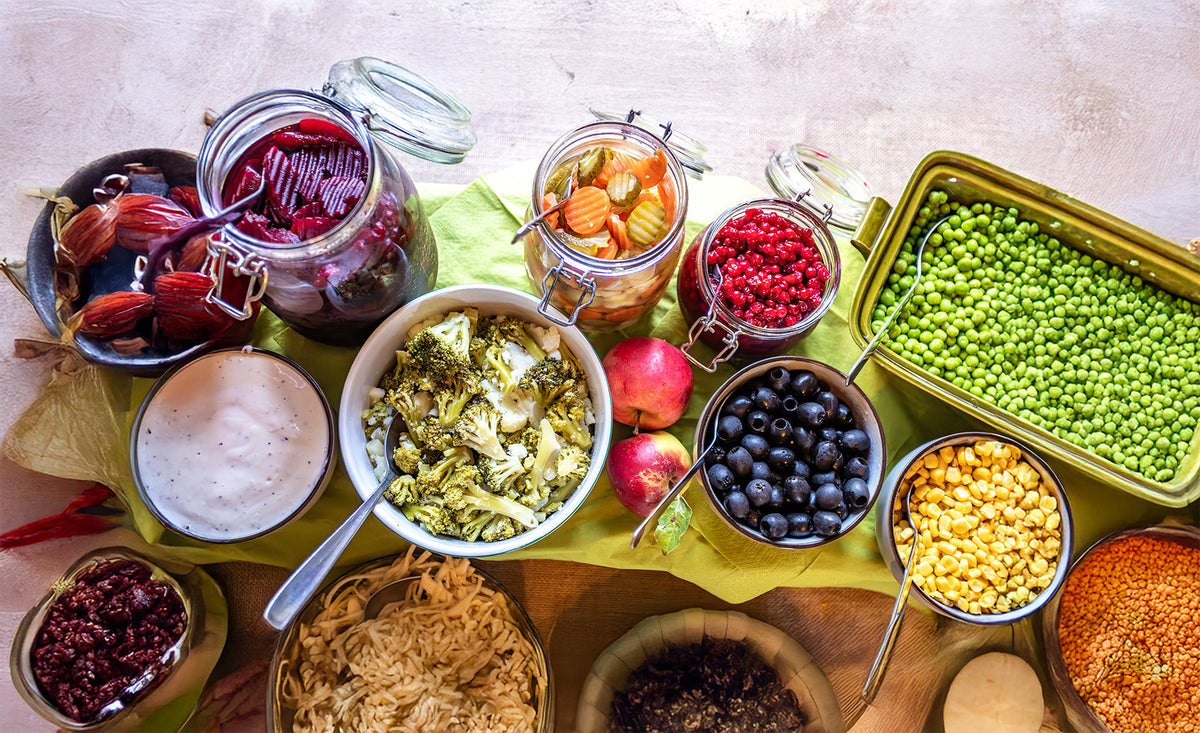
Pickling is one of the simplest ways to extend a fresh harvest: submerge fruit or vegetables in a vinegar, salt, and spice brine, and the vinegar's acidity preserves them for weeks or months instead of days. Most pickled produce stays low in fat and calories while holding onto vitamin K, vitamin C, and potassium.
What to Grow for Pickling
For the spice side of a brine, garlic, mustard, celery, dill, hot peppers, and oregano all work well straight from the garden. On the produce side, beans, beets, cucumbers, lemons, okra, peaches, peppers, grapes, watermelon rinds, and tomatoes all pickle well. From the store, you'll just need black peppercorns, cider vinegar, salt, and canning jars.
The Basic Pickling Process
- Choose ripe, fresh produce with no soft spots or bruises.
- Sterilize your jars, either in the dishwasher or by boiling them.
- Slice the produce into pieces that fit your jar comfortably.
- Add smashed garlic, red pepper, and mustard or celery seed (or peppercorns) to the bottom of the jar.
- Pack the sliced produce in loosely, leaving room for the brine to circulate.
- Fill the jar with a brine of half water, half cider vinegar, and salt to taste.
- The longer it sits, the more pronounced the flavor gets.
Pickled Lemons
- 8 Meyer lemons, scrubbed
- ½ cup kosher salt
- 1 sterilized quart canning jar
Add 2 tablespoons of salt to the bottom of the jar. Cut ¼ inch off the tops and bottoms of the lemons, then quarter them. Salt the lemon quarters generously, inside and out, and pack them into the jar, squishing gently to release their juice as you go. Fill the jar with fresh-squeezed lemon juice until the lemons are fully covered, then add another 2 tablespoons of salt on top. Seal the jar and let it sit at room temperature for two days, agitating it occasionally. After that, refrigerate for at least three weeks, agitating occasionally, before using. Stored properly, pickled lemons keep for up to six months. Coriander, bay leaf, and oregano are all worth experimenting with if you want to vary the flavor.
More Ways to Use Your Harvest
How to plant a kitchen herb garden covers growing many of the spices used here, and 3 freeze-dried soup kits for fast dinners is a good next stop if you want to preserve more of your harvest beyond pickling. If you're weighing pickling against other preservation methods, freeze drying vs. canning is worth a look too.
Frequently Asked Questions
What vegetables and fruits pickle well?
Beans, beets, cucumbers, lemons, okra, peaches, peppers, grapes, watermelon rinds, and tomatoes are all good candidates for pickling.
Is pickling the same thing as fermentation?
Not quite — quick pickling uses a vinegar brine to preserve food, while traditional fermentation (like classic lacto-fermented pickles) relies on beneficial bacteria without vinegar. Both preserve food, but through different processes.
How long do pickled lemons last?
Stored properly in the refrigerator, pickled lemons keep for up to six months.
How long should pickled produce sit before eating it?
It varies by recipe, but longer resting time generally means more pronounced flavor — pickled lemons, for example, need at least three weeks refrigerated before they're ready.
Share:
How to Plant a Kitchen Herb Garden
3 Freeze-Dried Soup Kits for Fast Dinners