

An emergency food storage plan is one of those resolutions that's easy to put off because it feels big. It doesn't have to be. Building one in stages, starting small and adding to it over time, makes it a lot more likely you'll actually finish it instead of abandoning it in February.
Start With Ready-to-Eat Entrees
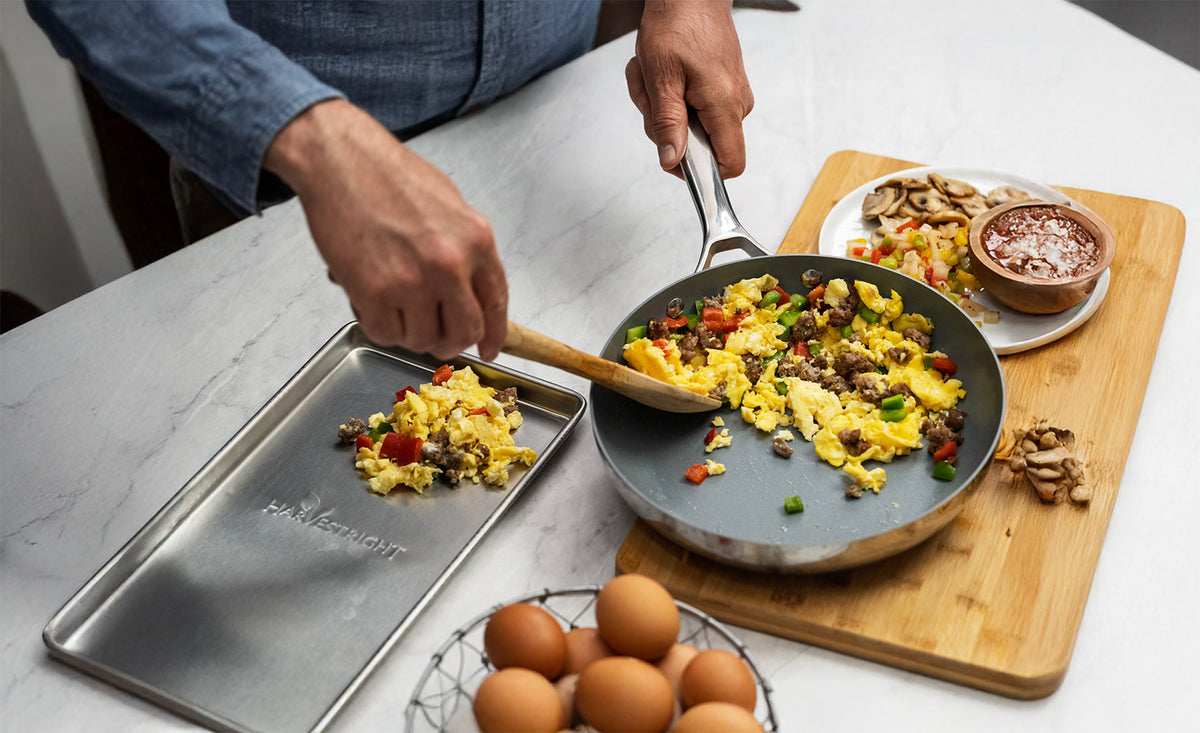
The easiest place to begin is with complete, freeze-dried meals in family-size portions: casseroles, soups, and breakfast items like scrambled eggs all work well and can be built around whatever vegetables and proteins your family already eats. Having a shelf of meals that just need water and a few minutes is the fastest way to feel like your plan is actually working, rather than a pile of raw ingredients you'd still have to cook from scratch during an emergency.
Then Build Out to Individual Ingredients
Once you've got a base of ready-to-eat meals, expand into individual freeze-dried ingredients — vegetables, fruits, and proteins like turkey breast or ham — so you have flexibility to put together your own meals later, not just rely on what you freeze-dried first.

Why Freeze-Dried Food Works for This
Stored properly, freeze-dried food can last up to 25 years, which is longer than canned, dehydrated, or standard frozen storage. Removing the water also means the finished food takes up far less space than canned or frozen alternatives, so a real supply doesn't require turning over a whole room to storage.
Building Out Your Plan
Creating a winter emergency food storage plan covers a more specific, season-driven approach if you want to plan around a particular kind of emergency. Building a nutritional safety net is a good next read for thinking about your storage plan as an ongoing system rather than a one-time project.
Frequently Asked Questions
Where should you start when building an emergency food storage plan?
Start with ready-to-eat, freeze-dried entrees like casseroles, soups, and breakfast items — they're the fastest way to have something genuinely useful on the shelf, and they build momentum before you tackle individual ingredients.
How long does freeze-dried food last in storage?
Stored properly, freeze-dried food can last up to 25 years, longer than canned, dehydrated, or standard frozen storage.
Should I store complete meals or individual ingredients?
Both, ideally — start with complete entrees for immediate usability, then add individual freeze-dried ingredients like vegetables, fruits, and proteins so you have flexibility to build your own meals later.
Does freeze-dried food take up less space than other storage methods?
Yes — removing the water significantly reduces the volume of the food, so a freeze-dried supply takes up much less room than the same amount of canned or frozen food.
Share:
How to Eat More Vegetables Every Day: 35 Easy & Delicious Ideas
How Much Electricity Does a Freeze Dryer Use?