

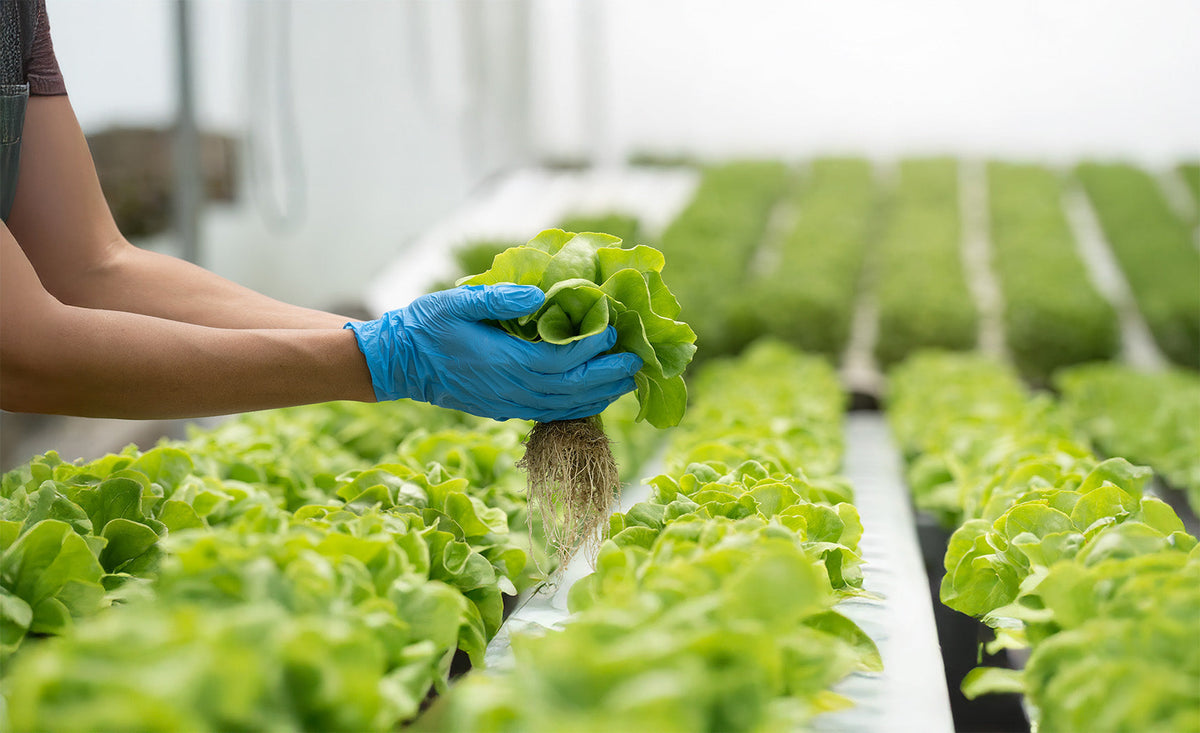
Hydroponics is a relatively easy, inexpensive way to extend your growing season past what outdoor soil and weather allow — which means fresh vegetables and herbs for your freeze-dried entrees and soups even in the dead of winter.
How It Works
Plants actually need nutrients, not soil specifically — soil is just the traditional way of delivering them. Hydroponic systems deliver those nutrients directly, which means plants can put more energy into growing instead of building out root systems to search for food. Growers also get precise control over nutrition instead of being at the mercy of soil quality and weather, making it a notably efficient growing method compared to traditional gardening or farming.
Why It's Worth Trying
Think of it like an athlete getting exactly the nutrients, proteins, and vitamins they need, instead of hoping a varied diet covers it — hydroponic plants get precisely what they need, which tends to produce bigger, healthier plants in a smaller footprint. Hydroponics is also commonly cited as using up to 90% less water than traditional growing methods, which matters a lot in arid climates where soil quality and water availability are both working against you. Tomatoes, beans, cucumbers, spinach, kale, and arugula all do particularly well in hydroponic systems — and a freeze dryer is the natural next step, letting you turn a year-round hydroponic harvest into a fully stocked pantry.
Getting Started
Startup cost and complexity are the two things that hold most people back, but the long-term savings tend to justify it, and there's a wide range of entry points — from simple beginner kits to full commercial-style systems. It's also a genuinely strong DIY project: there's no shortage of hobbyists online sharing exactly how they built their own systems from scratch.
Growing Beyond Hydroponics
If indoor or small-space growing interests you generally, is vertical gardening right for your space? and grow a freeze-dry garden both cover related approaches, and planting a kitchen herb garden is a good complement if herbs are more your focus than vegetables.
Frequently Asked Questions
What vegetables grow well in a hydroponic system?
Tomatoes, beans, cucumbers, spinach, kale, and arugula are all commonly grown successfully with hydroponics.
Does hydroponics use less water than traditional gardening?
Yes — hydroponic systems are commonly cited as using up to 90% less water than traditional soil-based growing methods.
Is hydroponics a good option for growing food indoors in winter?
Yes — hydroponics can extend a growing season year-round, which makes it a practical way to get fresh vegetables and herbs even in winter.
Do you need expensive equipment to start with hydroponics?
Not necessarily — options range from simple beginner kits to full commercial systems, and many hobbyists build their own setups from scratch with guidance available online.
Share:
Share a Home Freeze Dryer to Save Even More
Long-Lasting Storage Foods Without Preservatives