

There are plenty of reasons people build a food storage — it's economical, it's a good way to preserve leftovers and garden produce, and it just makes sense. But one of the most important reasons is simpler than all of that: peace of mind, knowing you're prepared for whatever comes.
What Happened During Hurricane Ida
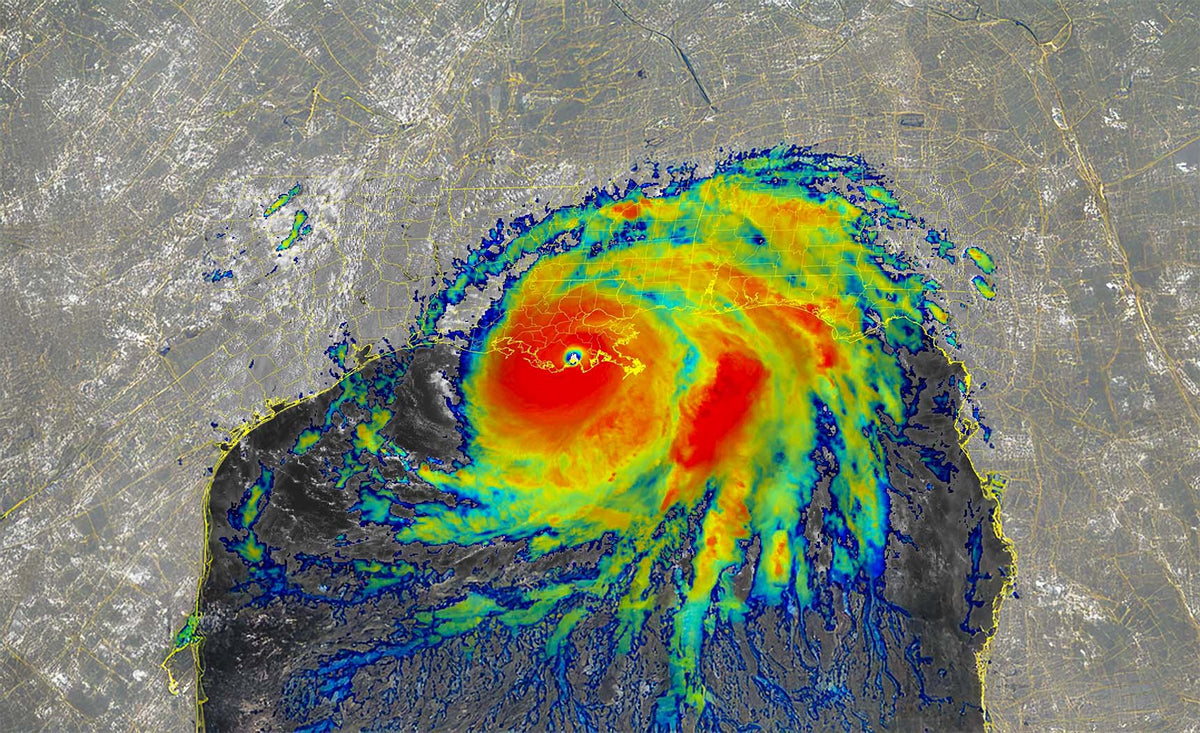
In 2021, Hurricane Ida hit as a deadly Category 4 storm — the second-most damaging hurricane on record to strike Louisiana, with catastrophic flooding that reached as far as the Northeastern United States. Widespread damage, downed trees and power lines, and flooding left more than a million people without power for days afterward.
A Customer's Own Words
Christopher Guidry, a Harvest Right freeze dryer owner in Marrero, Louisiana, was one of those without power. He shared this account at the time:
"I just want to give some testimony while I can. I live in Marrero, Louisiana and right now we're day four into Hurricane Ida kicking our butt. I have been using my small freeze dryer for about a year now, making individual meals (essentially doing my leftovers and such). I never really tested them out (large scale) but for the last three days, I've been going through my stash and they all taste like the day I cooked them. This is why I bought the machine and it is not letting me down. AWESOME!!!"
Why Stories Like This Matter
Being prepared to ride out a disaster without depending on a functioning grocery store is exactly why food storage matters. Grocery shelves empty out fast before and after a major weather event, and a well-stocked freeze-dried food supply means a power outage or a damaged store doesn't have to mean going without real meals.
Wherever you live, some kind of natural disaster is possible — hurricane, earthquake, wildfire, winter storm, or something else entirely. Building a food storage before you need it is what makes the difference.
Get Started on Your Own Emergency Food Plan
Emergency food storage: where to start and how to build a winter emergency food plan are good next steps, and our emergency preparedness page has more on planning ahead for natural disasters, man-made emergencies, and financial hardship.
Frequently Asked Questions
Does freeze-dried food actually hold up during a real emergency?
Yes — freeze-dried meals stay shelf-stable for years and rehydrate to taste like the day they were made, which is exactly what real customers have reported relying on during actual power outages and disasters.
What kind of emergencies is a food storage useful for?
Any situation that disrupts access to groceries or power — hurricanes, earthquakes, winter storms, wildfires, or other natural disasters, as well as non-weather emergencies like job loss or illness.
How long can freeze-dried meals sit in storage before an emergency?
Freeze-dried meals can last for years when stored properly, so a food storage built well ahead of time will still taste good whenever you actually need it.
Where do I start building an emergency food storage?
Start with meals and ingredients your family already eats regularly, freeze-dry them in usable portions, and build up your supply gradually — see the linked posts above for a more detailed plan.
Share:
Winner of a Medium Freeze Dryer
Why Freeze-Dried Food Gets White, Crystallized Bubbles