

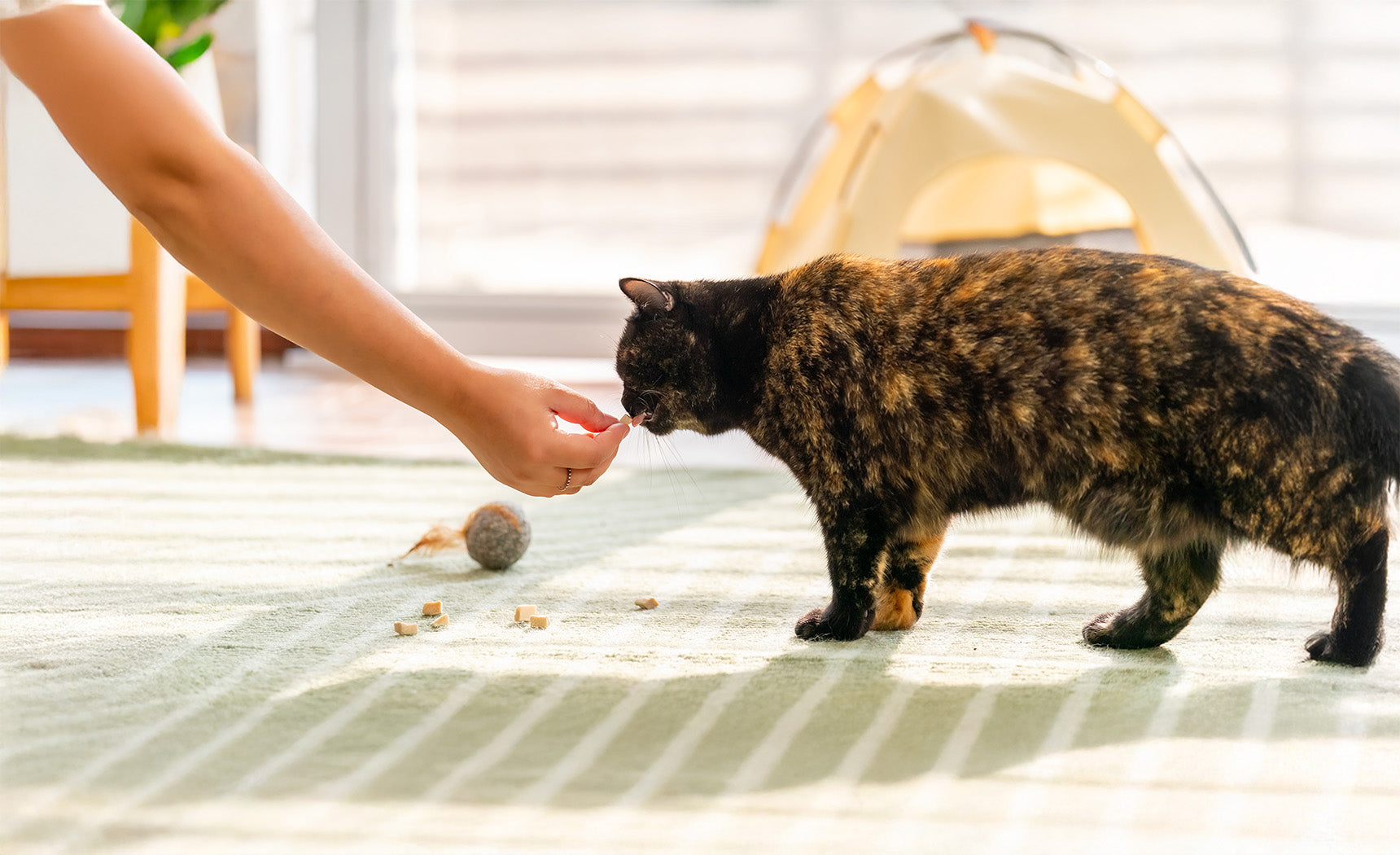
Homemade pet treats don't have to contain long ingredient lists or artificial preservatives.
Many dogs and cats enjoy simple, protein-rich treats made from recognizable ingredients. With a home freeze dryer, you can prepare treats in larger batches, package them for later use, and keep them on hand for training, travel, or everyday rewards.
Whether you're looking for single-ingredient chicken bites, salmon treats, or wholesome vegetable snacks for your dog, freeze drying offers a convenient way to preserve treats while maintaining their flavor and texture.
This guide explains how to choose ingredients, prepare homemade treats, package them properly, and store them for future use.
Why Make Homemade Freeze-Dried Pet Treats?
Every pet is different, and many owners appreciate knowing exactly what goes into the treats they offer.
Homemade treats can provide:
-
Simple, recognizable ingredients
-
Control over protein sources
-
Fewer unnecessary additives
-
Convenient portion sizes
-
Homemade treats for training
-
Long-lasting pantry storage when packaged properly
While premium freeze-dried treats are widely available, making your own allows you to prepare the ingredients you choose and preserve them in larger batches.
Remember that treats should supplement a complete and balanced diet—not replace it.

Dogs and Cats Have Different Nutritional Needs
Although dogs and cats both enjoy treats, their dietary needs are different.
Dogs
Dogs often enjoy a wide variety of protein sources and certain fruits and vegetables as occasional treats.
Examples include:
-
Chicken
-
Turkey
-
Lean beef
-
Salmon
-
Pumpkin
-
Green beans
-
Sweet potatoes
-
Carrots

Cats
Cats are obligate carnivores and generally do best with simple, meat-based treats.
Popular choices include:
-
Chicken
-
Turkey
-
Salmon
-
Tuna
-
Lean beef
Because cats have unique nutritional requirements, treats should remain a small part of their overall diet and should not replace nutritionally complete meals.

Great Ingredients for Homemade Treats
Simple recipes are often the best.
Chicken Breast
Lean, high in protein, and easy to portion into bite-sized treats.
Turkey Breast
Another excellent lean protein that many pets enjoy.
Lean Beef
Cut into uniform pieces for even drying.
Salmon
A flavorful option that many dogs and cats find especially appealing.
White Fish
Mild fish varieties can make excellent protein-rich treats.
Eggs
Cooked eggs can be freeze dried into bite-sized treats or crumbled over food in small amounts.
Liver
Many pets love liver because of its rich flavor.
Because organ meats are very nutrient-dense, they are typically offered in moderation rather than as everyday treats.
Vegetables Dogs May Enjoy
Many dogs enjoy vegetables as occasional treats.
Popular choices include:
-
Green beans
-
Pumpkin
-
Sweet potatoes
-
Butternut squash
-
Carrots
Vegetables can provide variety and may be useful as lower-calorie rewards for some dogs.
Cats generally prefer protein-based treats.
Ingredients to Avoid
Never assume foods that are safe for people are also safe for pets.
Common foods that should be avoided include:
-
Chocolate
-
Grapes
-
Raisins
-
Onions
-
Garlic
-
Macadamia nuts
-
Xylitol (birch sugar)
-
Alcohol
-
Caffeine
If you're unsure about an ingredient, consult your veterinarian before preparing treats.
How to Make Freeze-Dried Pet Treats
Preparing treats is straightforward when you begin with appropriate ingredients.
Step 1: Choose Quality Ingredients
Use fresh ingredients that are appropriate for your pet.
Step 2: Prepare Uniform Pieces
Cut treats into similar-sized pieces so they dry evenly.
Smaller pieces also work well for training.
Step 3: Arrange on Freeze-Dryer Trays
Spread treats in a single layer with a little space between pieces.
Avoid stacking food whenever possible.
Step 4: Freeze Dry
Allow the machine to complete the cycle.
Different foods require different drying times depending on moisture content and thickness.
Step 5: Check for Complete Dryness
Break apart one of the largest pieces.
The center should be completely dry.
If any moisture remains, continue drying.
Step 6: Package Immediately
Transfer treats promptly into airtight containers or Mylar bags to protect them from moisture.
Step 7: Label
Include:
-
Ingredient
-
Packaging date
-
Pet (if you prepare different treats for different animals)
Training Treats
Homemade freeze-dried pet treats are especially useful for training because they're:
-
Lightweight
-
Easy to carry
-
Simple to portion
-
High-value rewards for many pets
-
Less messy than many soft treats
Small pieces help reduce excess calories while allowing frequent positive reinforcement during training sessions.
Travel-Friendly Treats
Freeze-dried treats travel well.
Many owners pack them for:
-
Camping
-
Hiking
-
Road trips
-
RV travel
-
Boarding
-
Pet sitters
-
Vacations
Because they're lightweight and easy to portion, they fit neatly into travel containers and emergency kits.

Emergency Preparedness for Pets
Many families prepare emergency kits for themselves but forget about their pets.
A pet emergency kit may include:
-
Freeze-dried treats
-
Regular food
-
Water
-
Bowls
-
Medications
-
Leash or carrier
-
Waste bags
-
Veterinary records
-
Comfort items
Having familiar treats available can help reduce stress during unexpected situations.
Packaging and Storage
Proper storage helps maintain quality.
Many owners package treats using:
-
Mylar bags
-
Oxygen absorbers (for long-term storage)
-
Airtight jars for treats used frequently
Always label each package with:
-
Ingredient
-
Packaging date
Store treats in a cool, dry location away from direct sunlight.

Portion Control Matters
Even healthy treats should be offered in moderation.
Treats are intended to reward and reinforce positive behavior—not replace complete meals.
Your veterinarian can help determine appropriate treat amounts based on your pet's:
-
Age
-
Size
-
Activity level
-
Weight
-
Overall health
Frequently Asked Questions
Can I freeze dry homemade dog treats?
Yes. Many single-ingredient treats, such as cooked chicken, turkey, lean beef, or veterinarian-approved vegetables, can be freeze dried successfully when prepared and packaged properly.
Can cats eat freeze-dried chicken?
Many cats enjoy freeze-dried chicken as an occasional treat. Treats should complement a nutritionally complete diet rather than replace it.
Can I freeze dry raw meat for treats?
Some owners choose to prepare raw treats, but food safety considerations are different from cooked foods. Follow safe food-handling practices and your veterinarian's guidance.
Do freeze-dried treats need to be rehydrated?
Many treats are designed to be eaten dry.
Some pets may prefer rehydrated treats, particularly if they have dental concerns or need additional moisture.
How long do homemade freeze-dried treats last?
Storage life depends on the ingredient, complete drying, packaging quality, and storage conditions. Keeping treats dry and protected from oxygen helps maintain quality.
Are homemade treats healthier than commercial treats?
Not necessarily.
The quality of any treat depends on its ingredients and how it fits into your pet's overall diet.
Many owners appreciate homemade treats because they can choose the ingredients themselves.
Simple Treats, Happy Pets
Making homemade freeze-dried treats is an easy way to reward your pets with simple, recognizable ingredients while reducing the need for heavily processed snacks.
Whether you're preparing bite-sized chicken treats for training, salmon treats for your cat, or vegetable snacks for your dog, freeze drying gives you the flexibility to prepare larger batches and keep them ready whenever you need them.
The most important ingredient is thoughtful planning. Choose foods that are appropriate for your pet, prepare them safely, package them properly, and remember that treats are just one small part of a healthy, balanced lifestyle.
Share:
The Best Wild Foods to Forage and Freeze Dry
Homemade Freeze-Dried Dog & Cat Food: Benefits, Safety & Storage