

Important: this is a real customer story, not instructions. Freeze dryers are not designed or recommended for drying phones or other battery-powered electronics — lithium-ion batteries and sensitive electronics carry real risks that have nothing to do with how well a freeze dryer removes moisture from food. Read on for the story, not a how-to.

An iPhone Full of Water
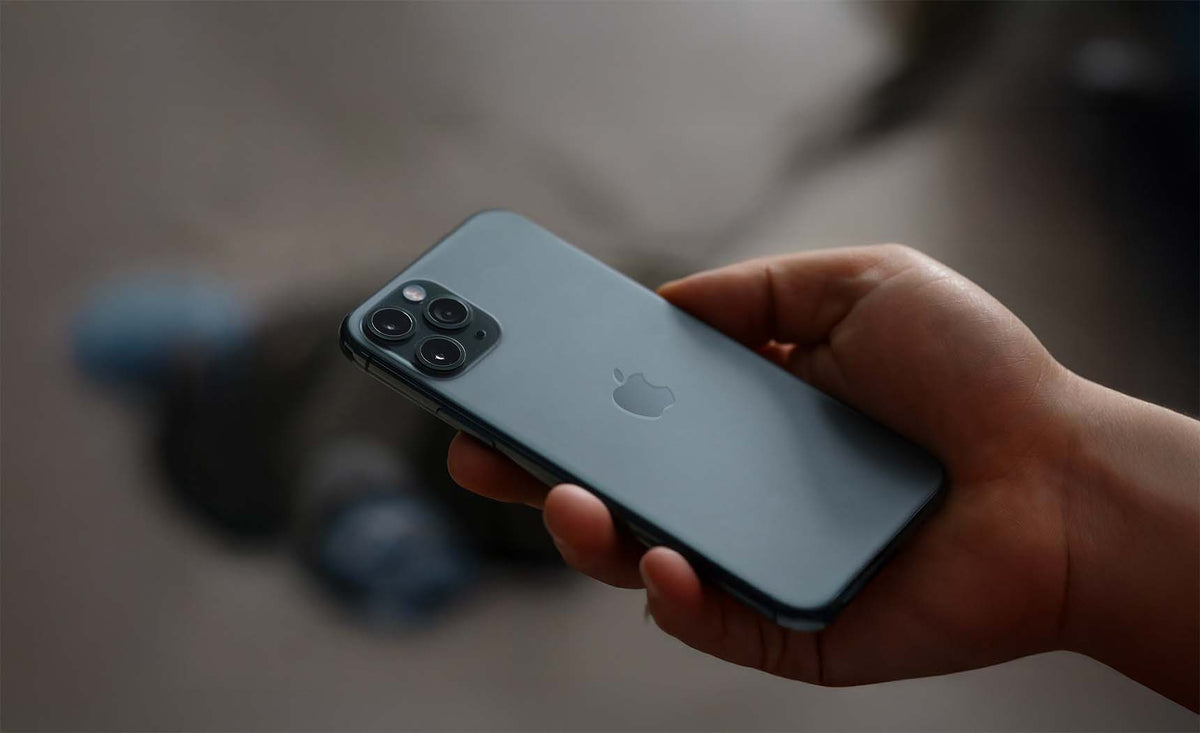
Sharon Clark's iPhone ended up fully submerged, with water audibly sloshing around inside when she moved it. Professional repair looked unlikely, and days of the classic rice trick didn't do anything.
The Bigger Concern Wasn't the Phone
What worried Sharon most wasn't the hardware — it was what was on it. Irreplaceable family photos and contacts, with no backup, back in the days before automatic cloud backup was the default on most phones.
An Unusual Experiment
Tim, an electrical-engineer neighbor, had a theory: if a freeze dryer's vacuum could pull moisture out of food this effectively, maybe it could do the same for a phone. He skipped the freezing step entirely and ran the phone through the freeze dryer's vacuum cycle for about two hours. The phone powered back on afterward, and reportedly kept working normally two months later.
Why This Story Is Interesting (and Why You Shouldn't Try It)
It's a genuinely interesting illustration of how effective vacuum-based moisture removal can be. But it's one unrepeated result from one electrical engineer who understood exactly what he was risking, not a validated repair method. A freeze dryer's vacuum and cold environment aren't built with a phone's battery or internal components in mind, and the risk of damage — or worse — is real.
What to Actually Do With a Water-Damaged Phone
Follow the manufacturer's own instructions first. Don't try to power it on before it's fully dry, whatever method you use. Contact a professional repair service if the usual drying methods don't work. And the best fix is prevention: keep your photos and contacts backed up automatically, so a water-damaged phone is an inconvenience rather than a crisis.
The Real Lesson Here
What this story actually demonstrates is how thorough freeze-drying's vacuum process is at pulling moisture out of something — which is exactly why it works so well for its intended purpose: fruits, vegetables, meats, dairy, and prepared meals. Tips for successful home freeze-drying is a good next read if you want to get the most out of yours, for food.
Frequently Asked Questions
Should I try drying a water-damaged phone in a freeze dryer?
No. Freeze dryers aren't designed or recommended for electronics — the vacuum and cold environment carry real risks for lithium-ion batteries and sensitive components. This story is an anecdote, not a method to repeat.
What should I actually do if my phone gets water damage?
Follow the manufacturer's instructions, avoid powering it on before it's fully dry, and contact a professional repair service if standard drying methods don't resolve it.
How can I protect my photos and data in case my phone is damaged?
Regular automatic backups (cloud or otherwise) are the best protection — they turn a water-damaged phone into an inconvenience instead of a loss of irreplaceable data.
What does this story actually show about freeze-drying?
It illustrates how effective a freeze dryer's vacuum is at removing moisture, which is exactly the mechanism that makes it so good at its intended job: preserving food.
Share:
How to Freeze-Dry Cranberries (and Use Them)
Stop Wasting Fresh Herbs: Freeze-Dry the Extra