

Winter weather causes a specific kind of disruption that's easy to underestimate until it happens: snow and cold mean power outages, trouble getting to the grocery store, and real interruptions in the food supply chain. The households that handle a bad storm well are almost always the ones who built their food plan before the snow started falling, not during it.
Why Freeze-Dried Beats Traditional Canned Storage
Home-canned goods have real limits for winter emergency storage — a narrower variety of meals than most families actually want to eat, and a shelf life that requires regular rotation. Freeze-dried food solves both problems: a much wider range of real meals stays usable, and stored properly, freeze-dried food can last up to 25 years, which means you're not scrambling to rotate stock every year on top of everything else.
Build It Before Winter Hits
The core of a winter plan is simple: start now, not once the forecast turns bad. A few specific tips that make a real difference:
Double your dinner recipes. Whenever you're already cooking a meal your family likes, make a double batch and freeze-dry the extra. That gives you ready-made entrees that only need water, rather than raw ingredients you'd still have to cook during a power outage.
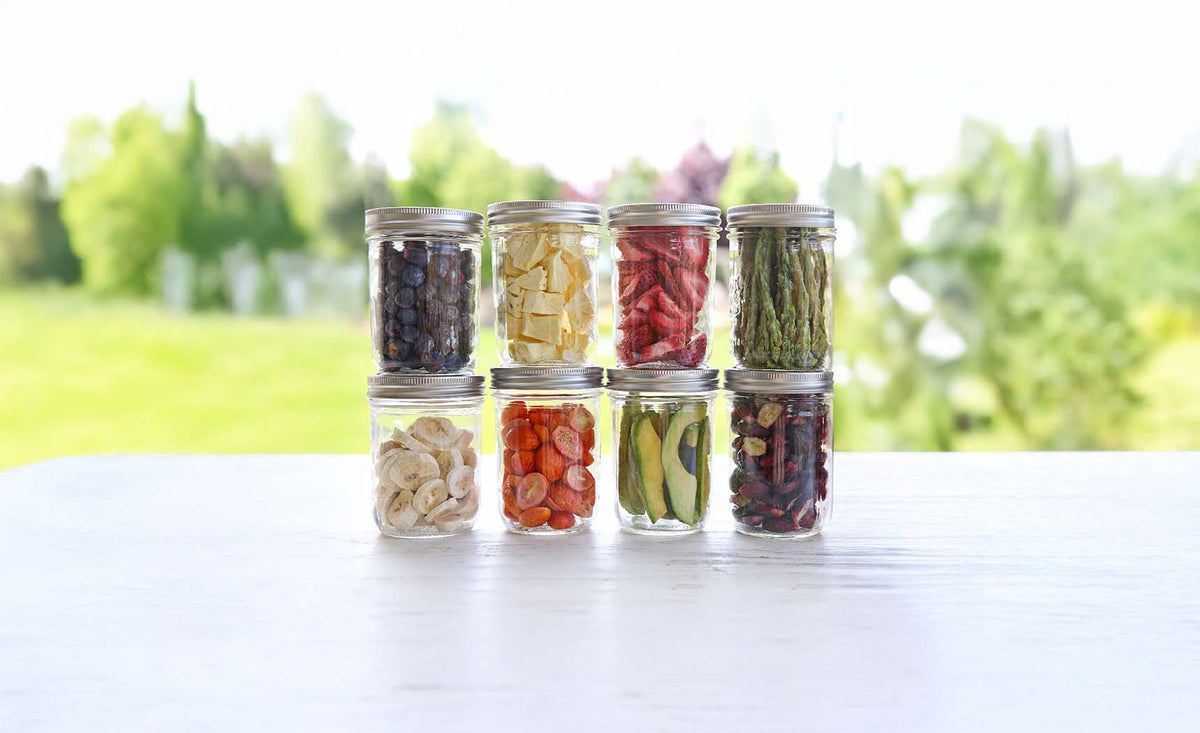
Include freeze-dried fruit for vitamin C. It's an easy nutritional gap to overlook in an emergency stash built mostly around entrees, and freeze-dried fruit holds onto its vitamin content well.
Add something fun. A stash of freeze-dried gummy bears or another treat isn't just for morale — during a genuinely stressful winter storm, having something enjoyable on hand for kids (or adults) matters more than it sounds like it would.
Round Out Your Plan
Freeze-drying protein covers meat, eggs, and seafood if you want to build out the protein side of a winter stash, and can freeze-drying improve your health is worth a look for the nutrition side of the story. Building a nutritional safety net and emergency food storage: where to start round out your overall emergency planning beyond winter specifically.
Frequently Asked Questions
Why does winter weather specifically disrupt food access?
Snow and cold weather commonly cause power outages, make it hard or impossible to get to a grocery store, and can interrupt food supply chains more broadly.
What's an easy way to build up emergency meals without extra cooking effort?
Double your usual dinner recipes and freeze-dry the extra portions — that gives you ready-made meals that only need water, using time you're already spending cooking.
Why is vitamin C easy to miss in emergency food storage?
Most emergency stashes lean heavily on entrees and staples, which can leave out fresh produce. Freeze-dried fruit is an easy way to make sure vitamin C isn't overlooked.
When should you build a winter emergency food plan?
Before winter arrives — building a plan once a storm is already forecast leaves far less time to prepare than starting in fall.
Share:
How to Freeze Dry Protein: Meat, Eggs, Seafood & More
Can Freeze Drying Help You Eat Healthier?